


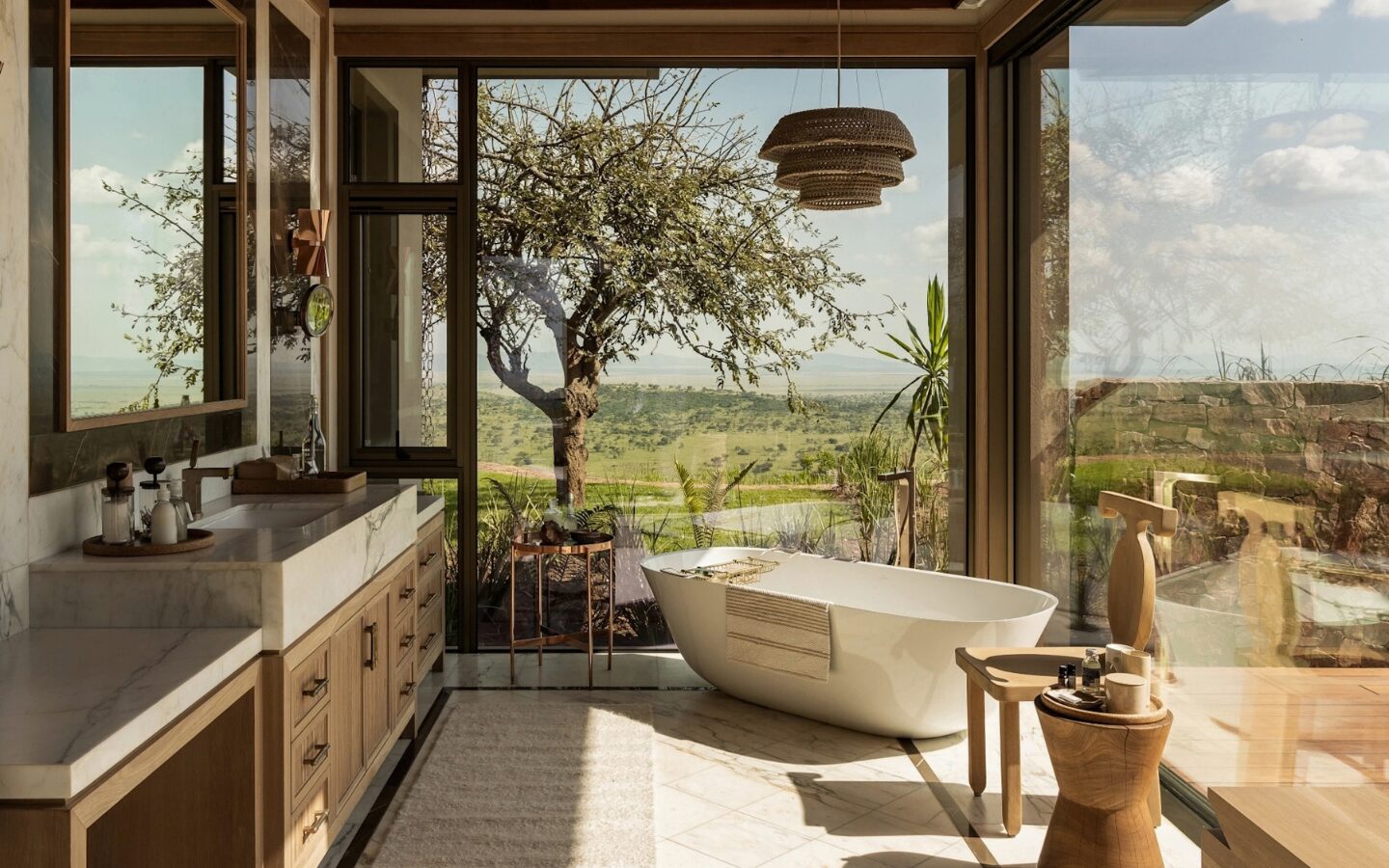
Why Singita remains one of the great names in African safari
There are plenty of beautiful safari lodges in Africa. Singita sits in a slightly different category.
Perhaps it’s the scale of the landscapes: enormous private concessions where you can spend a morning tracking lions without another vehicle appearing behind you. Perhaps it’s the guides who have you caring as much about a lilac-breasted roller by day three as the leopard you flew halfway around the world hoping to see. Or perhaps it’s the fact that the serious stuff – conservation, community, the protection of some extraordinary pockets of Africa – sits so naturally alongside very good food, deep wine cellars and some of the loveliest lodges on the continent.
For us, though, it’s the combination. Singita has been doing this since 1993, when its first lodge opened on family-owned land in South Africa’s Sabi Sand. Today, the collection stretches across South Africa, Tanzania, Zimbabwe and Rwanda, with Botswana joining the map in December 2026. Each feels unmistakably Singita, but never at the expense of the place around it.
Here’s why it remains one of our favourite names in safari.
In this guide to Singita
Singita safari lodges in South Africa
Singita in Tanzania & the Serengeti
Singita gorilla trekking in Rwanda
The Singita Story: Safari With Purpose Since 1993
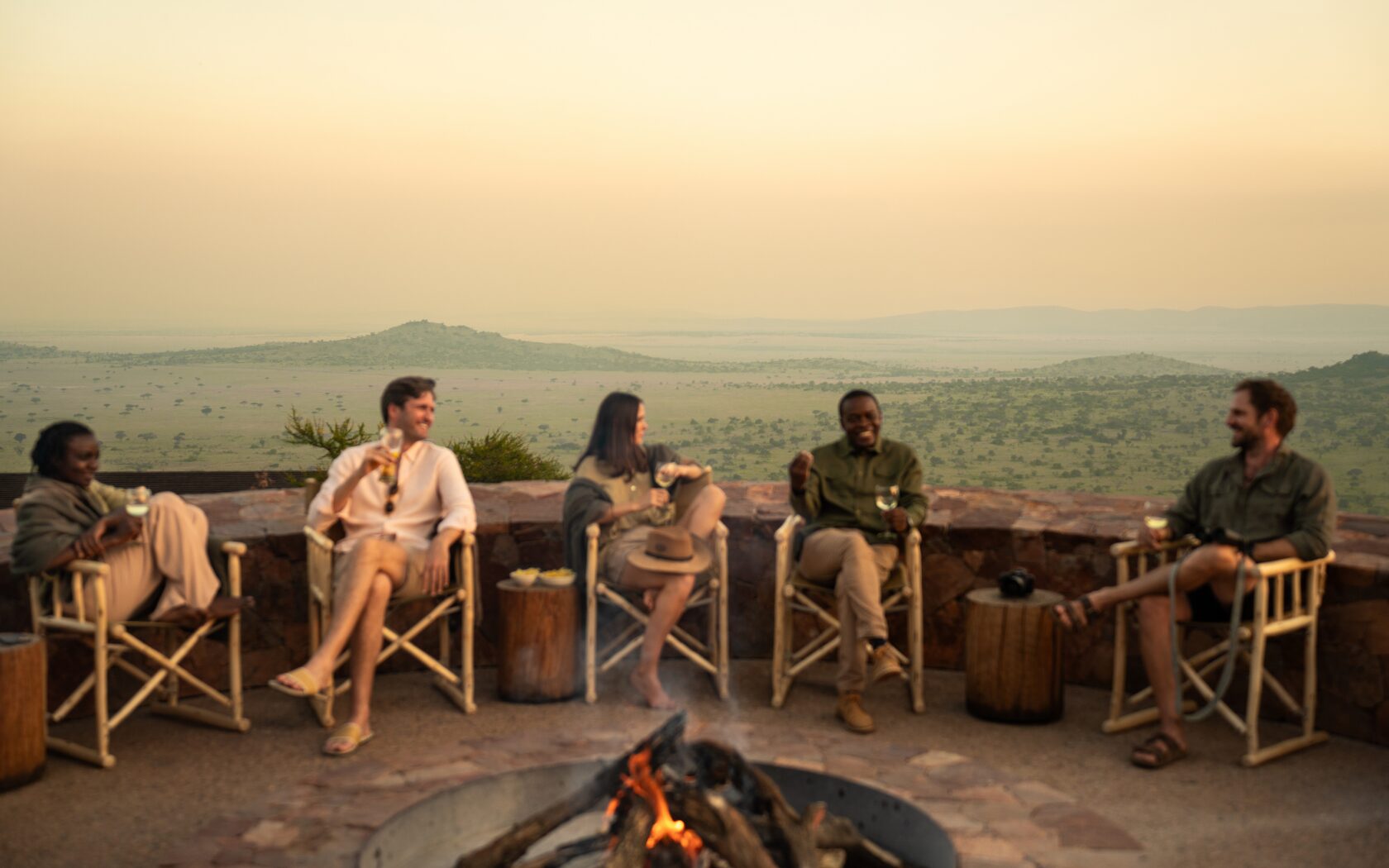
The story actually begins well before the first guests arrived. The Bailes family became custodians of land in South Africa’s Sabi Sand in 1926. When Luke Bailes opened Singita Ebony Lodge on the banks of the Sand River in 1993, the premise was relatively simple: carefully considered tourism could help protect wilderness rather than compete with it.
That thinking still underpins the brand. Singita now works across some of Africa’s most important ecosystems alongside conservation partners including the Grumeti Fund in Tanzania and Malilangwe Trust in Zimbabwe. The lodges are the glamorous face of it, but behind them are vast protected landscapes, anti-poaching work, wildlife restoration and community projects.
We love that you don’t spend a Singita stay being lectured about any of this. You see it in the land itself: fewer vehicles, healthy wildlife populations and guides who know the landscape intimately. Conservation isn’t a side note here. It’s the reason much of this wilderness is still wilderness.
Singita in South Africa: Where It All Began
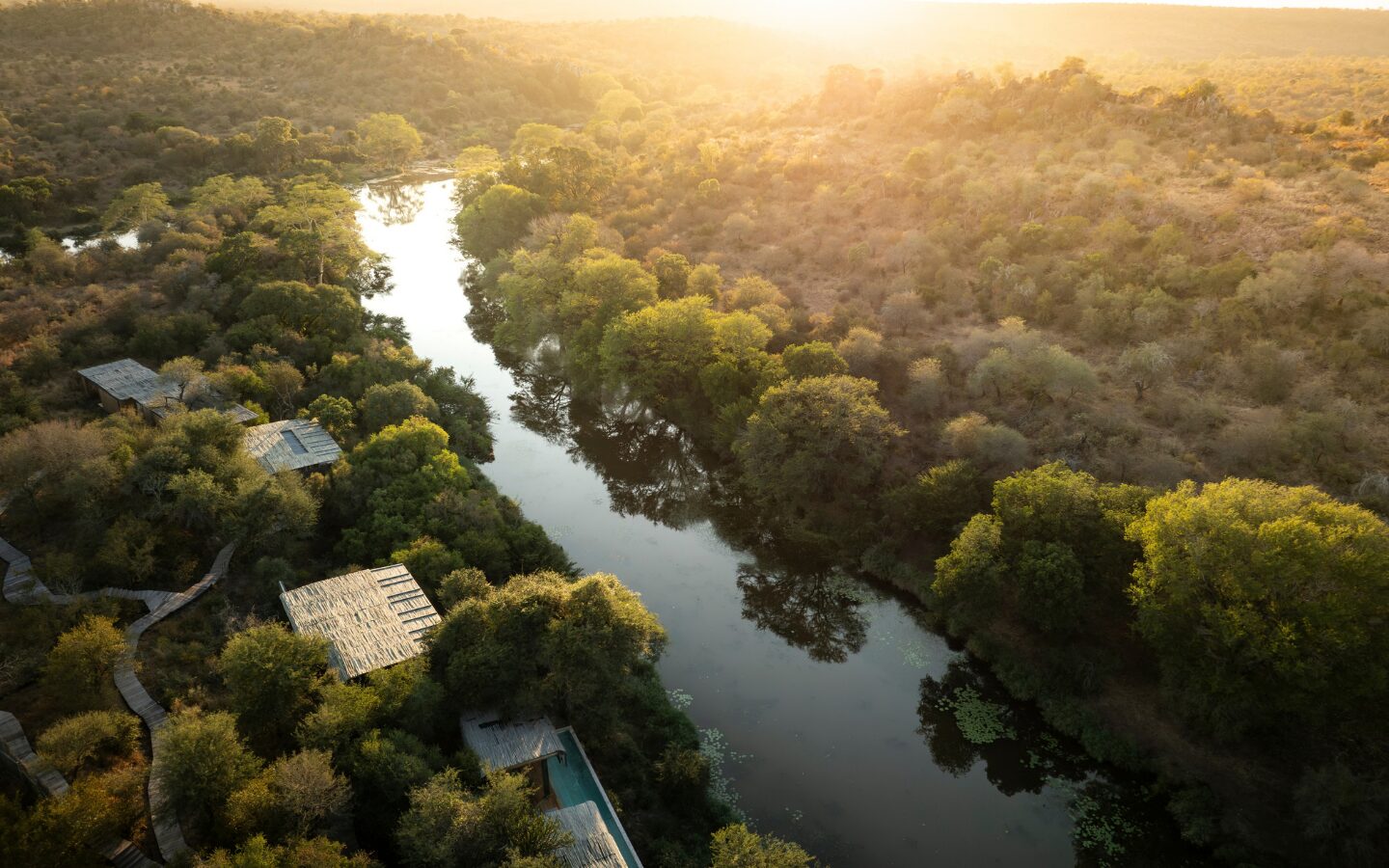
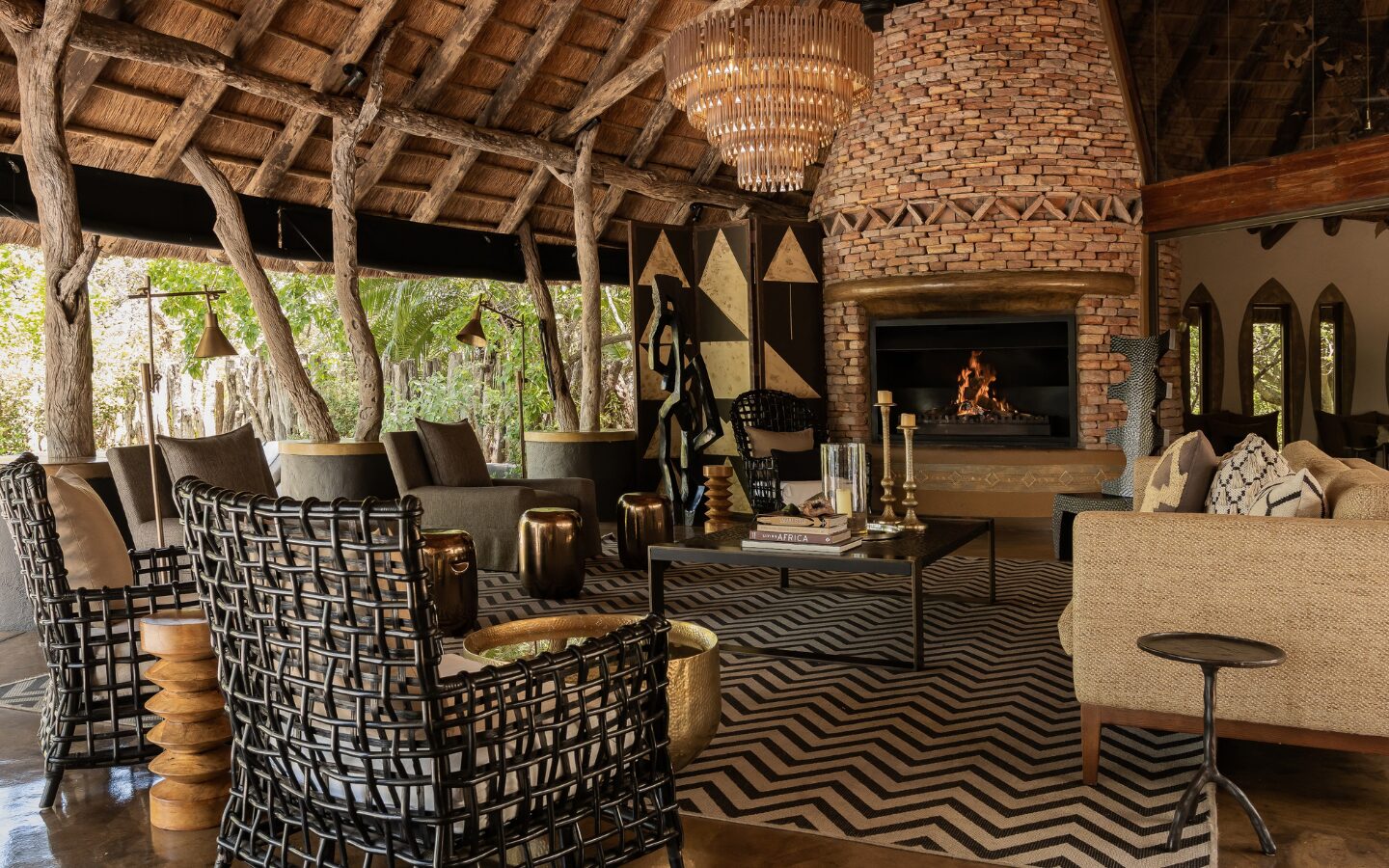
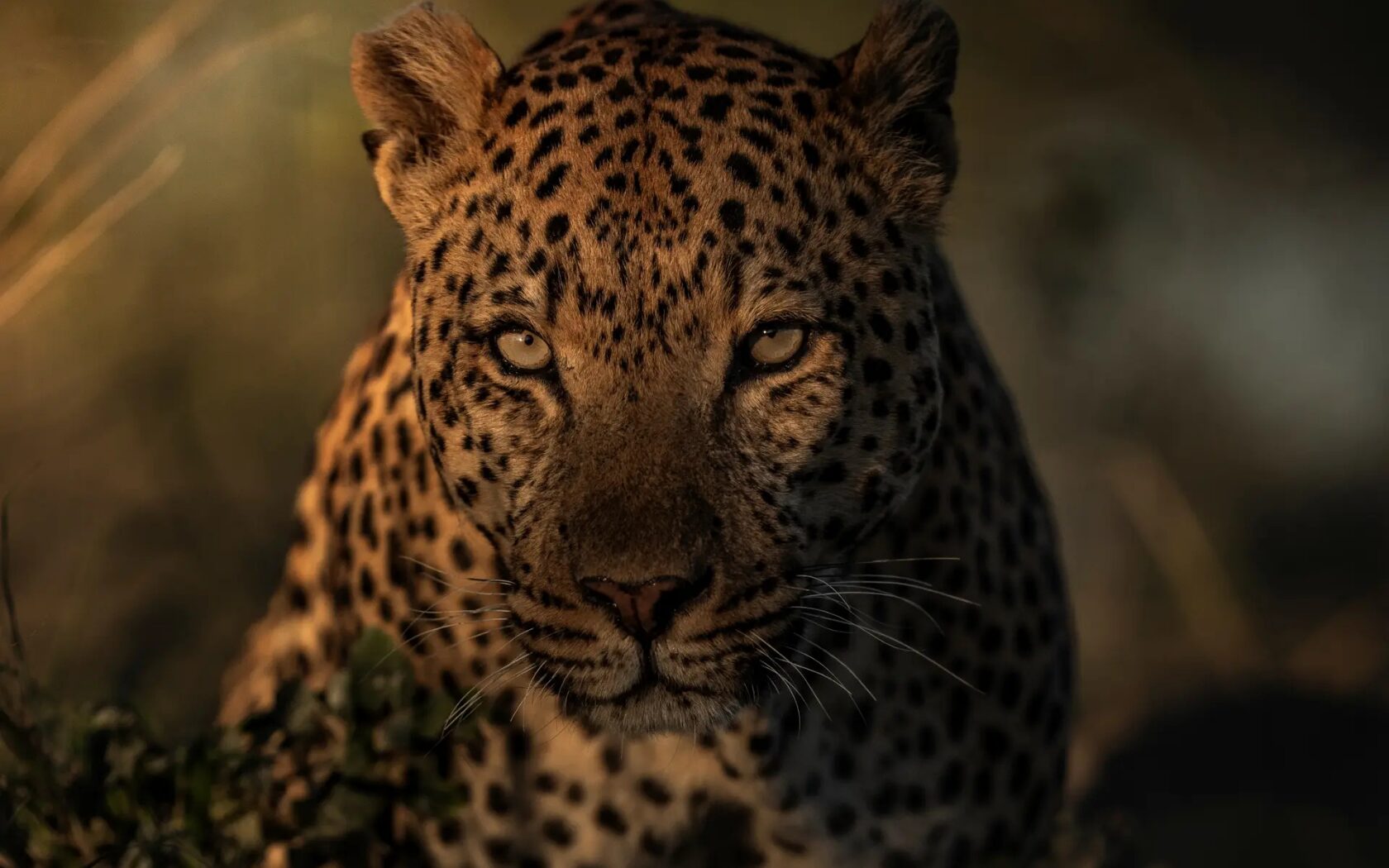
If it’s your first Singita safari, South Africa is a wonderful place to start. Ebony Lodge, Boulders Lodge and Castleton sit in the Sabi Sand, where the Sand River, thick riverine forest and open bush make this one of Africa’s great big-cat landscapes. Leopard sightings are a particular draw, although elephants wandering down to drink and lions appearing in the grass have a habit of rearranging the day’s plans too.
Further east, Lebombo Lodge and Sweni Lodge occupy a private 33,000-acre concession inside Kruger National Park. Sweni is our pick if you like things intimate: only seven suites, hidden among trees beside a river frequented by hippos and crocodiles. Lebombo is bolder and more architectural, high above the N’Wanetsi River. This part of Kruger is known for its lions, and there are four established prides within the concession.
South Africa also captures something we love about Singita: the safari doesn’t stop when the vehicle does. You might return dusty from a morning drive to a beautiful lunch, spend the afternoon watching animals from the deck and find yourself discussing a South African white with the sommelier by evening. Nobody expects you to choose between wilderness and pleasure.
Singita in Tanzania: Big skies, Big Cats and the Great Migration
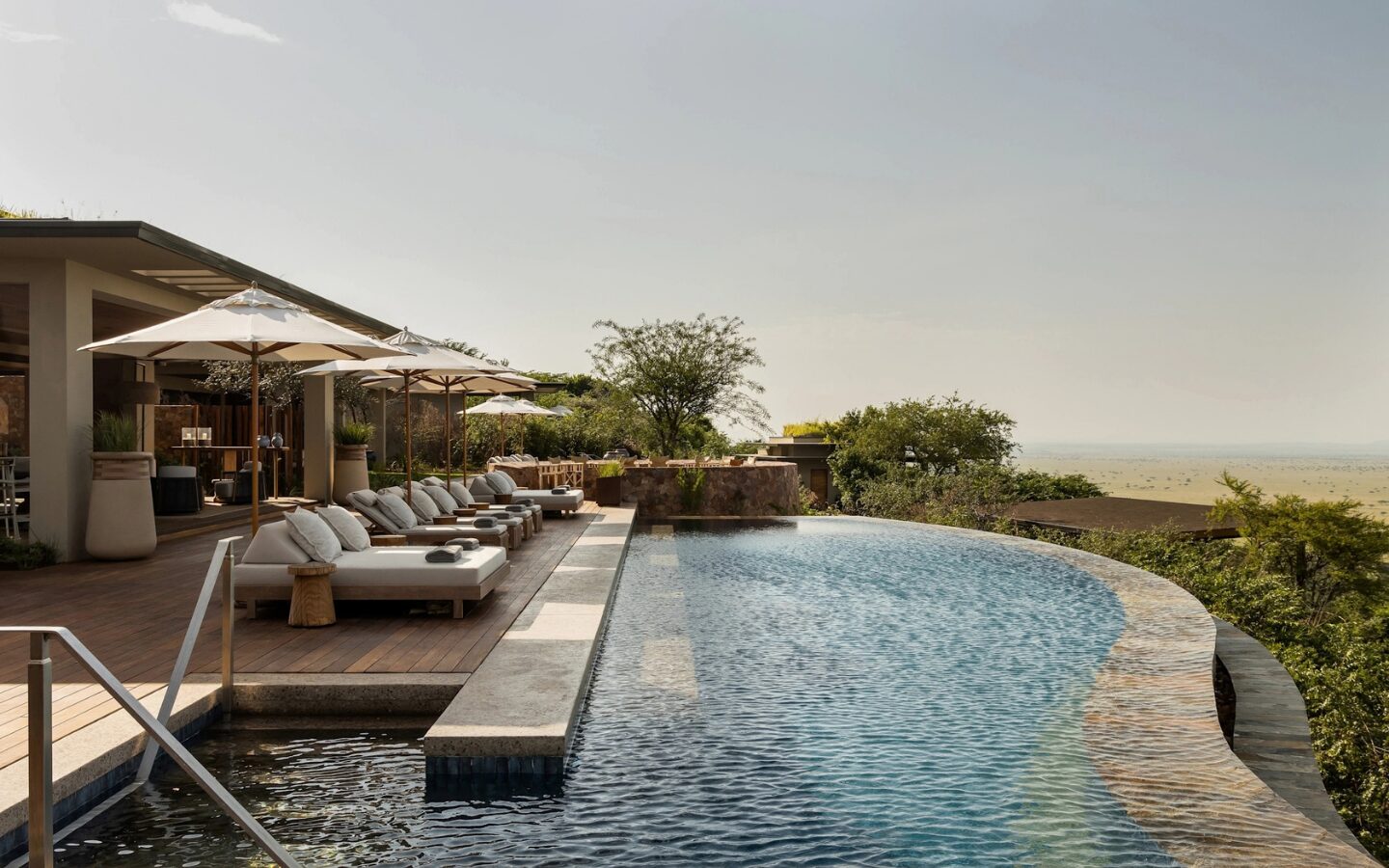
Singita Grumeti is Africa turned up several notches. Its 350,000 acres form part of the wider Serengeti-Mara ecosystem, with wildebeest typically moving through during the Great Migration between May and July. But we’d happily come outside migration season too: lions, leopards, cheetahs, elephants, giraffes, and great herds of plains game don’t pack up and leave when the wildebeest do.
There is also an extraordinary amount of room. Across Singita’s properties in Grumeti, maximum occupancy is just 136 guests, with each group having a dedicated guide and vehicle. One recent guest spent around 30 hours on safari and saw another Singita vehicle only a handful of times. Pasted text
Our soft spot here is Sabora Tented Camp: nine beautiful canvas suites scattered across the plains, lions audible at night and nothing remotely resembling roughing it. For families and friends, Serengeti House, Milele and Kilima turn safari into something closer to having a remarkable private home in the Serengeti – only with considerably better wildlife outside the window.
Singita in Zimbabwe: The One We Think Deserves More Attention
Zimbabwe might not be the first place a new safari-goer asks us about. For those who have been to Africa before, that’s precisely what makes it so exciting.
Singita Pamushana and private Malilangwe House sit within the 115,000-acre Malilangwe Wildlife Reserve, where 38 different habitats range across an unexpectedly varied landscape. Its rhino story is exceptional: black and white rhino populations have flourished here to the point that animals from Malilangwe have helped repopulate other protected areas.
Pamushana overlooks the Malilangwe Dam, so days aren’t restricted to the familiar game-drive rhythm either. There are bush walks, time on the water and ancient San rock art to discover between sightings of elephant, wild dog, rhino and rare sable and roan antelope. If you’ve already done the classic South African safari and want to go somewhere a little less obvious next, we’d look here.
Singita in Rwanda: Gorillas, Volcanoes and Cloud Forest
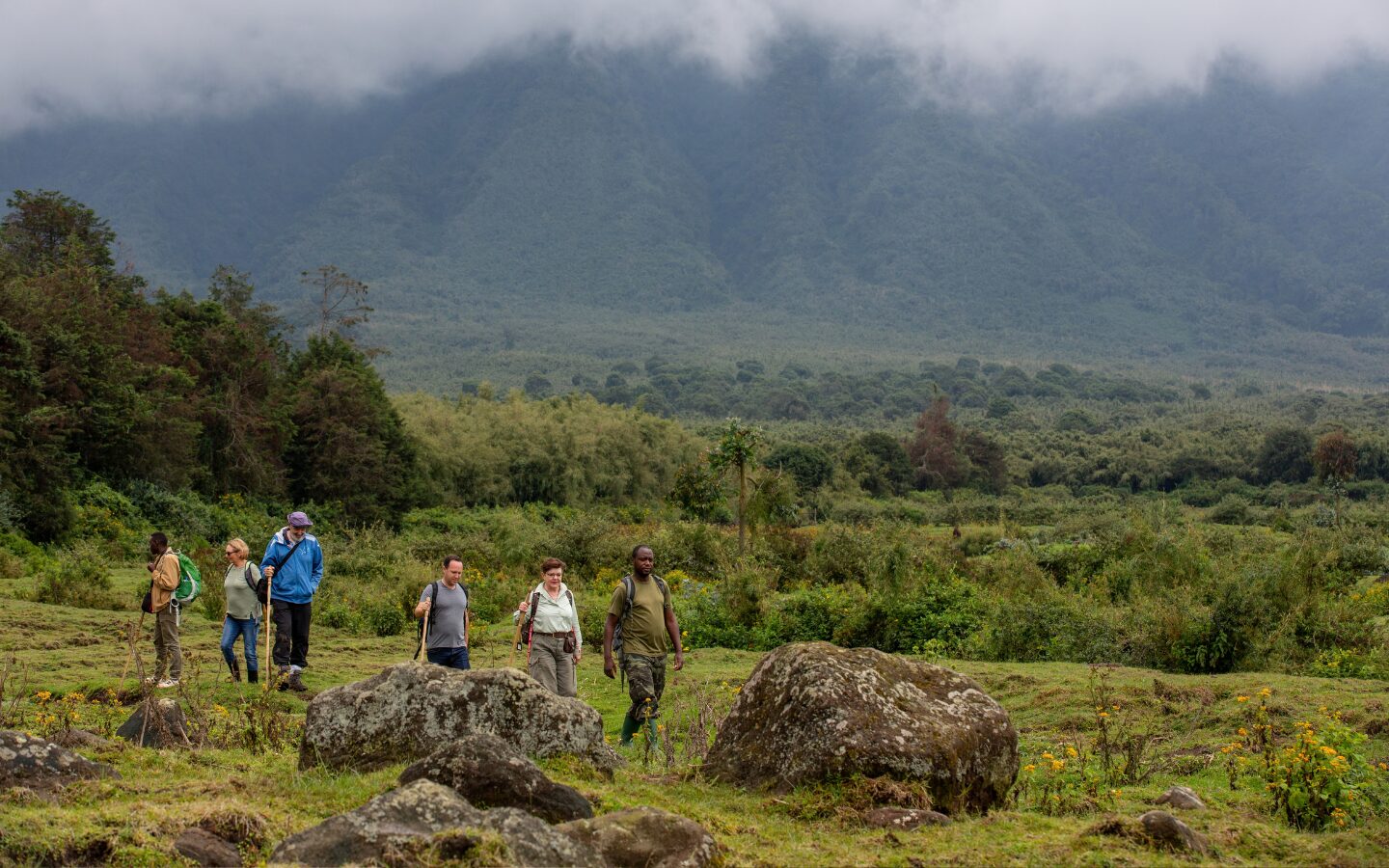
Rwanda shows just how differently Singita can interpret safari. At Kwitonda Lodge and Kataza House, you won’t find endless savannahs outside the window. Instead, the Virunga volcanoes rise behind a landscape of forest, farmland and mist, with Volcanoes National Park quite literally next door.
The reason to come is mountain gorillas. The evening before your trek, Singita’s team talks you through the terrain and what to expect; there is even a Gear Room so you can borrow technical kit rather than buying an entirely new outdoor wardrobe. The next morning, you head into the forest on foot in search of one of the habituated gorilla families.
Kwitonda is the sort of place we’d add to a longer African journey precisely because it changes the tempo. After days spent in a safari vehicle, pulling on boots and heading into the forest feels like beginning another trip entirely.
Singita in Botswana: The Next Chapter in the Okavango Delta
Singita Elela opens in December 2026, bringing the brand to Botswana for the first time – and into one of Africa’s most extraordinary ecosystems. Set within a 420,000-acre private concession in the central-western Okavango Delta, its name means “to flow” in Setswana, a nod to a landscape constantly reshaped by seasonal water.
There will be just eight private camps, from one-bedroom hideaways to a four-bedroom camp for eight, each with its own guide, vehicle and team. Raised on stilts above the floodplain, the camps have been designed to tread lightly, while days can move between game drives, walking safaris and, when the water is high enough, slipping quietly through the Delta by boat or traditional mokoro.
This is what makes Elela so exciting to us. The Okavango brings an entirely new rhythm to Singita: lagoons, reed-fringed channels and wooded islands, with safari changing according to the water and season. Rather than recreating what the brand already does so well elsewhere, Elela feels distinctly Botswana – just with Singita’s fingerprints all over it.
Food and Wine at Singita: Come Hungry
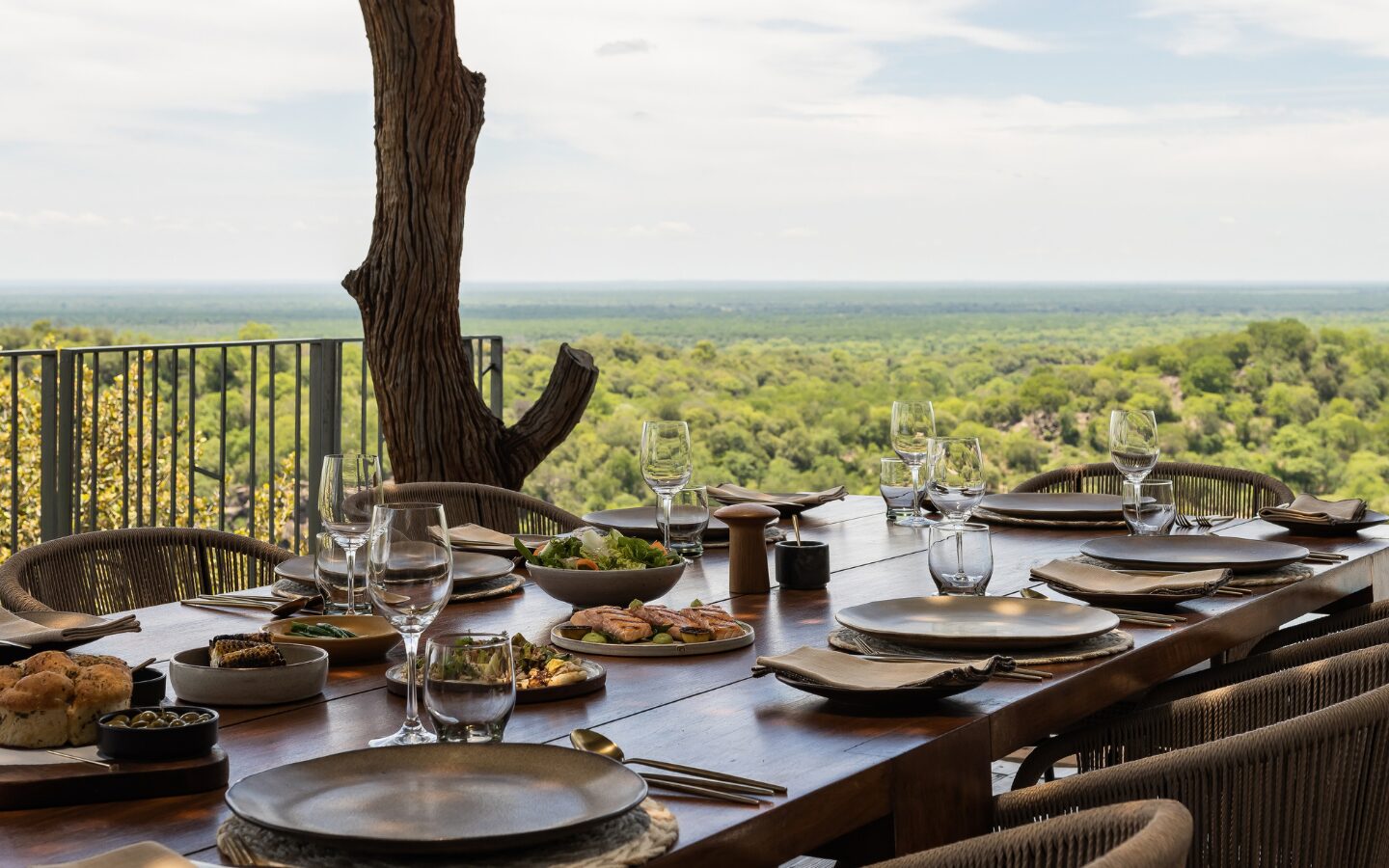
Safari has never exactly been known for underfeeding people. At Singita, however, food has become much more than the seemingly endless procession of breakfasts, lunches, afternoon teas and sundowners that fills the hours between drives.
Menus draw heavily on African ingredients and flavours while remaining wonderfully flexible. Recent dishes in Tanzania have included Swahili mtori soup, kuku paka chicken curry and chakalaka; at Sweni, the kitchen moves between food cooked over fire and lighter contemporary plates, with beautiful breads baked each day. Singita’s community culinary schools in South Africa, Tanzania and Rwanda also train young people from surrounding communities for professional careers in hospitality.
And the wine deserves its own mention. Singita has built an exceptional collection of South African bottles, backed by sommeliers who know what they’re pouring and are very happy to talk about it. A cold morning might begin with coffee in the bush; the same day can end with several courses and a rather good Stellenbosch white later. This is our preferred interpretation of balance.
Singita for Families: Private Houses Made for Taking Everyone
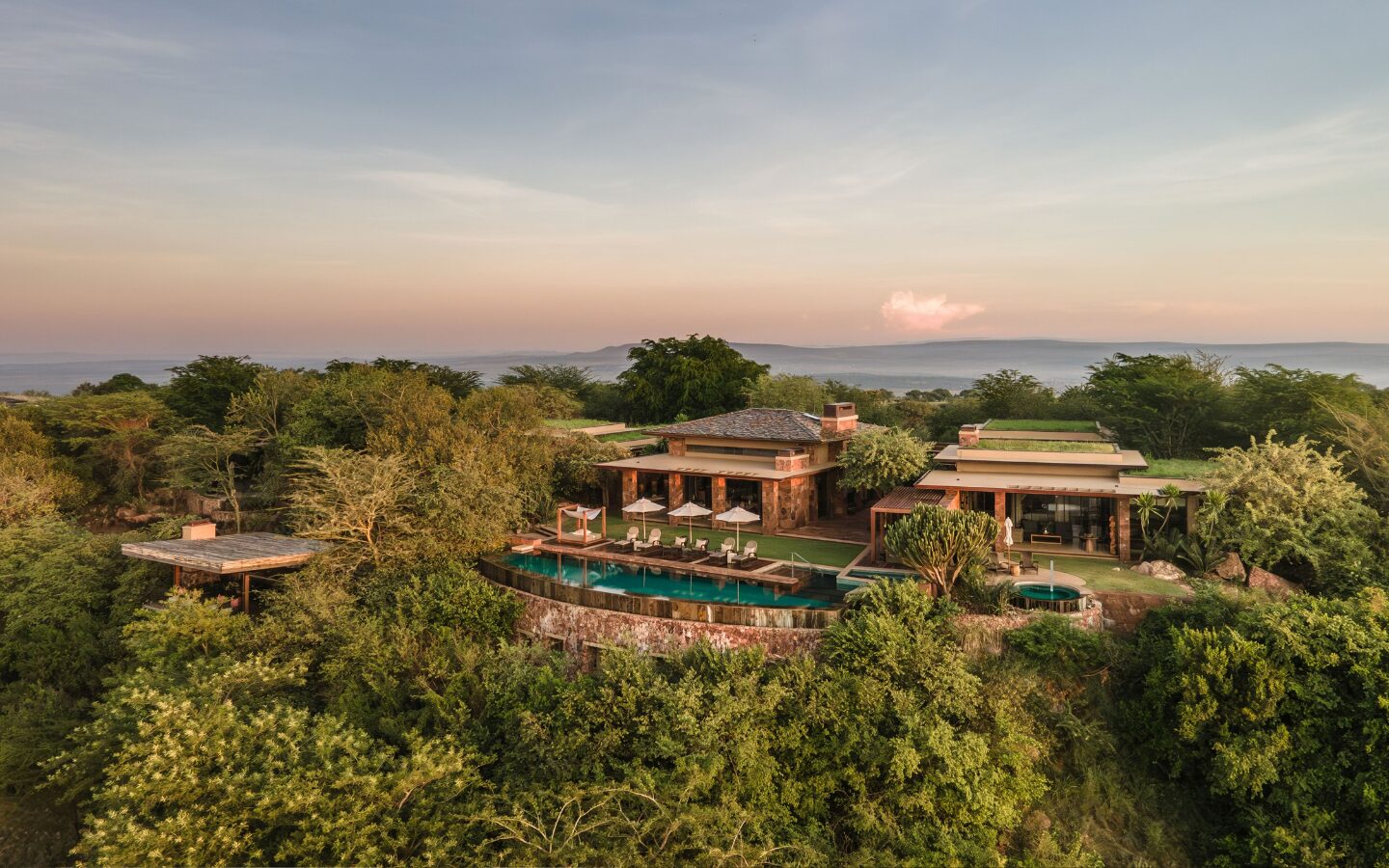
We think Singita becomes especially interesting for families when you look beyond the traditional lodges.
Castleton, Serengeti House, Milele, Kilima, Malilangwe House and Kataza House all offer the space and privacy of a beautiful home with the expertise of Singita wrapped around it. For a multi-generational trip, that flexibility is invaluable: grandparents don’t have to join every drive, children aren’t expected to work around a rigid restaurant schedule, and the whole family can come together without feeling as though they’re taking over a lodge.
Safari with children does require careful planning, and age restrictions vary between activities and properties. That’s exactly why we build these journeys individually. Get the lodge, season and pace right, and watching children become wildly invested in animal tracks can be as rewarding as spotting the animals themselves.
What to Pack for a Singita Safari
Less khaki than you might imagine.
Comfortable clothes in neutral colours, layers for chilly early drives, good walking shoes, swimwear, sun protection, binoculars and your camera will cover most eventualities. There is no need for formal clothing, and Singita provides thoughtful extras at many lodges, from blankets and bush bags to yoga mats and ponchos when the weather turns.
The important detail is luggage. Many Singita journeys involve small aircraft and bush airstrips, so soft-sided bags are often required and weight allowances can be tight. We’ll give you the precise requirements for the flights we’ve arranged rather than expecting you to unravel them yourself. And because these lodges really are remote, bring plenty of any prescription medication and spares of things you’d struggle to replace in the bush.
Singita Safari FAQs
Is Singita good for a first safari?
Very. The guiding is superb, the logistics are beautifully handled and the private concessions mean wildlife encounters can feel wonderfully unhurried. We’d concentrate less on finding the “best” Singita and more on matching the landscape and wildlife to what you want from your first safari.
Which Singita is best for wildlife?
It depends what you’d love to see. Sabi Sand is superb leopard country; Kruger has excellent Big Five viewing and formidable lion prides; Grumeti combines year-round wildlife with the Great Migration; Malilangwe is fascinating for rhino; and Rwanda is about primates, most famously its mountain gorillas.
When is the best time to visit Singita?
There isn’t one perfect month, as Singita spans several very different corners of Africa. As a rough guide, June to October is brilliant for classic safari in South Africa and Zimbabwe, with dry conditions bringing wildlife towards water and making it easier to spot through the thinner bush. In Tanzania, June and July can coincide with the Great Migration moving through Grumeti, while January to March brings greener landscapes and calving season elsewhere in the Serengeti ecosystem. Rwanda’s gorillas can be trekked year-round, although the drier periods of June to September and December to February generally make conditions underfoot a little easier.
Botswana adds another rhythm again: the Okavango’s floodwaters usually swell during the dry winter months, making June to October especially appealing for Elela and its mix of land and water-based safari. That said, there’s something to see in every season, so we’d always choose your dates around the wildlife, landscapes and style of safari you’re most excited about.
Can children stay at Singita?
Yes, although age restrictions vary by lodge and activity. Singita does family safari brilliantly, with Mini Rangers courses at many lodges where younger guests can learn animal tracking, bush survival, astronomy and bird and tree identification. There are also cooking sessions, stargazing, arts and crafts and plenty of time in the pool.
We particularly love Singita’s private homes for multi-generational trips, where meals, game drives and the general rhythm of the day can be shaped around the family rather than the other way around.
How long should I stay at Singita?
We don’t have a standard answer, and we prefer it that way. Every safari we arrange is bespoke, whether that’s a few days in Sabi Sand or a larger African journey combining several very different landscapes. We’ll work out the right number of nights once we know where you’re going and how you like to travel.
Planning a Singita Safari With More Travel
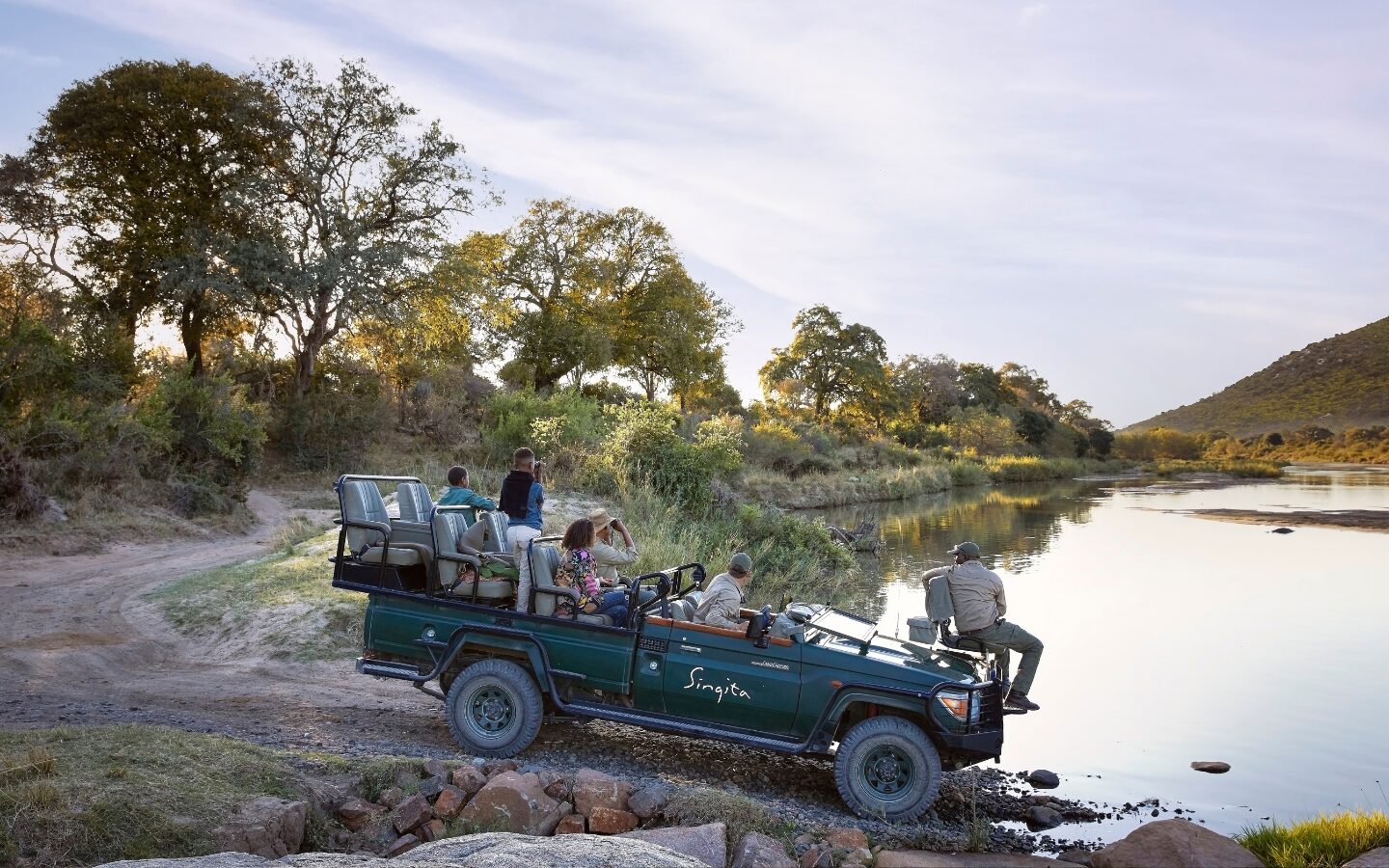
The beauty of Singita is that no two trips need look the same.
Perhaps this is your first safari, and you’ve always wanted to see a leopard. Perhaps you’ve done the Big Five, and now Zimbabwe is calling. You might want to take the whole family to a private house in the Serengeti, trek for gorillas in Rwanda or be among the first to experience Elela in the Okavango.
That’s where More Travel comes in. We’ll choose the right Singita for you, work out when to travel and take care of the small planes, bush airstrips, transfers, permits and luggage restrictions that make an African safari look complicated on paper.
You just need to decide how far into the wild you’d like to go. Start planning your Singita safari with More Travel.