


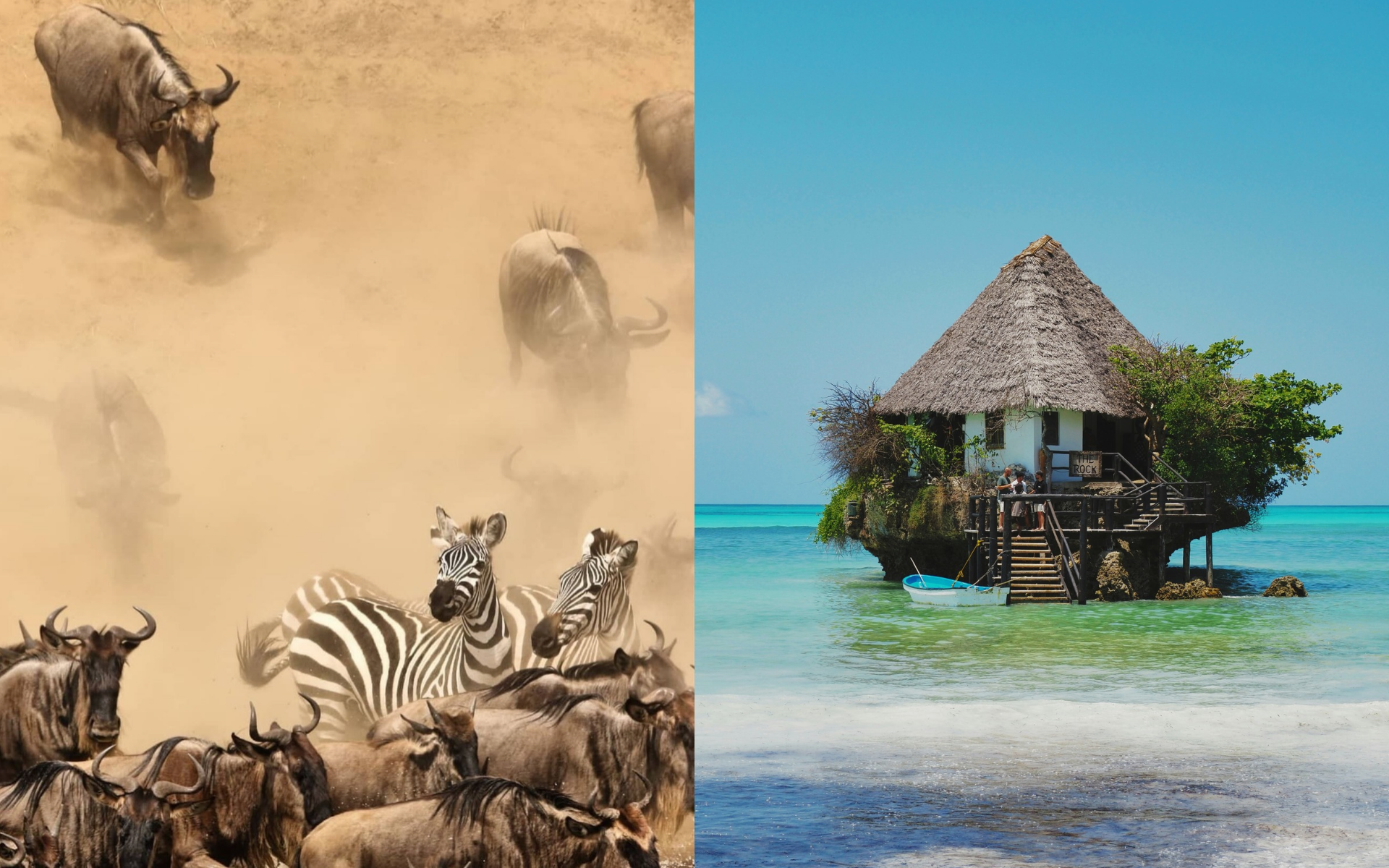
The art of the two-centre holiday: Our favourite destination pairings
From safari camps and Indian Ocean beaches to Japanese cities and Amazonian rainforest, some destinations make excellent travelling companions.
There’s a certain school of thought that says a holiday should involve unpacking once, ordering a drink and remaining within reasonable distance of a swimming pool for the next ten days. It’s a perfectly respectable philosophy, and one we’re happy to endorse.
But sometimes, one destination doesn’t quite cover it.
Perhaps you’ve travelled all the way to South Africa and fancy a few days beside the Indian Ocean. Or you’re planning a trip to Japan and can’t decide between Tokyo’s neon-lit streets and Kyoto’s centuries-old temples. Then there’s the classic dilemma of wanting a proper adventure without sacrificing a week of doing absolutely nothing.
Enter the two-centre holiday. Two destinations, one trip, and the opportunity to experience contrasting landscapes, cultures and hotels without committing to a complicated round-the-world itinerary.
Of course, not all combinations are created equal. Some involve unnecessarily long transfers, awkward flight connections or two destinations whose seasons don’t quite align. The best pairings are the ones that make sense geographically, offer something genuinely different and leave enough time to enjoy both.
Here are some of our favourites for 2027.
South Africa & Mauritius
SUGGESTED STAY: 4 nights on safari + 7 nights in Mauritius.
Safari holidays operate on an entirely different timetable. The alarm goes off at an hour normally reserved for airport departures, breakfast is eaten in the half-light, and by nine o’clock you’ve already had a more eventful morning than most people manage in a week. It’s exhilarating, but after several days of tracking wildlife through the African bush, a few days beside the Indian Ocean start to sound appealing.
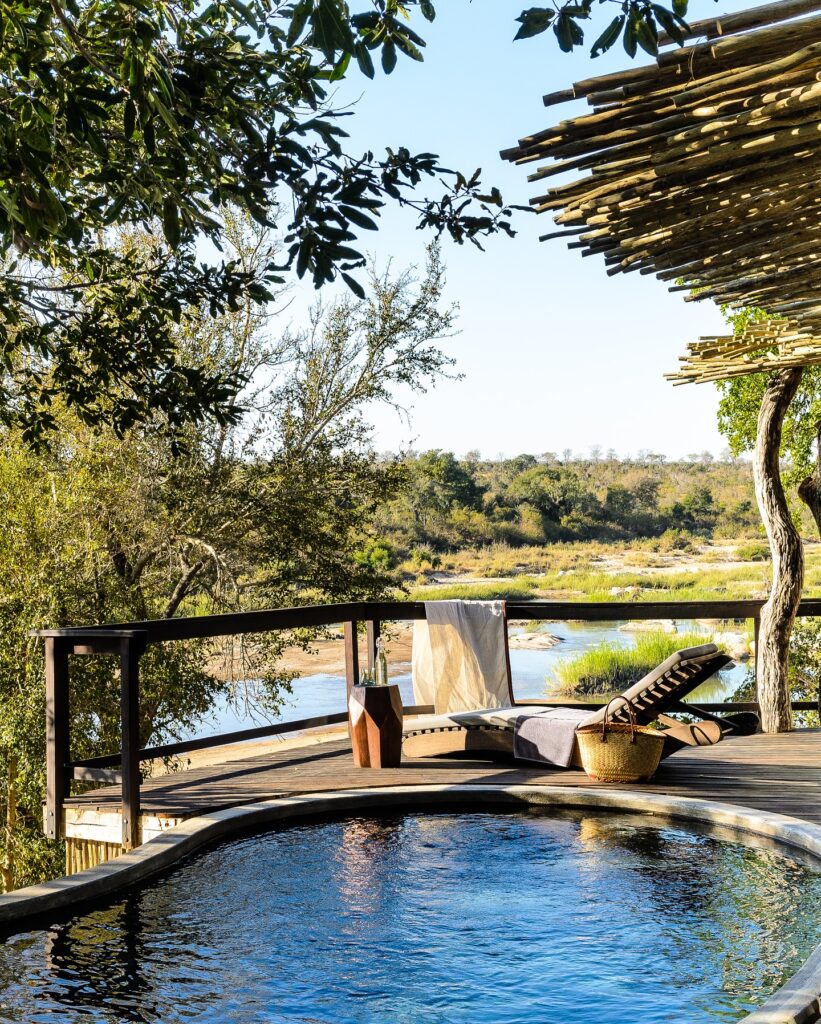
South Africa and Mauritius make a natural pairing. Begin with a safari in the Sabi Sand Reserve, where leopard sightings are a particular draw and lodges such as Singita Boulders have elevated the traditional safari camp into something closer to a contemporary architectural retreat. Think glass-fronted suites, private plunge pools and elephants occasionally wandering past at inconvenient moments.
For families with younger children, South Africa’s malaria-free reserves can be an excellent alternative, with lodges offering specialist children’s activities and family accommodation.
From Johannesburg, Mauritius is around a four-hour direct flight away, making it a relatively straightforward addition to a South African itinerary. Depending on your safari lodge, you’ll usually connect through Johannesburg before heading across the Indian Ocean.
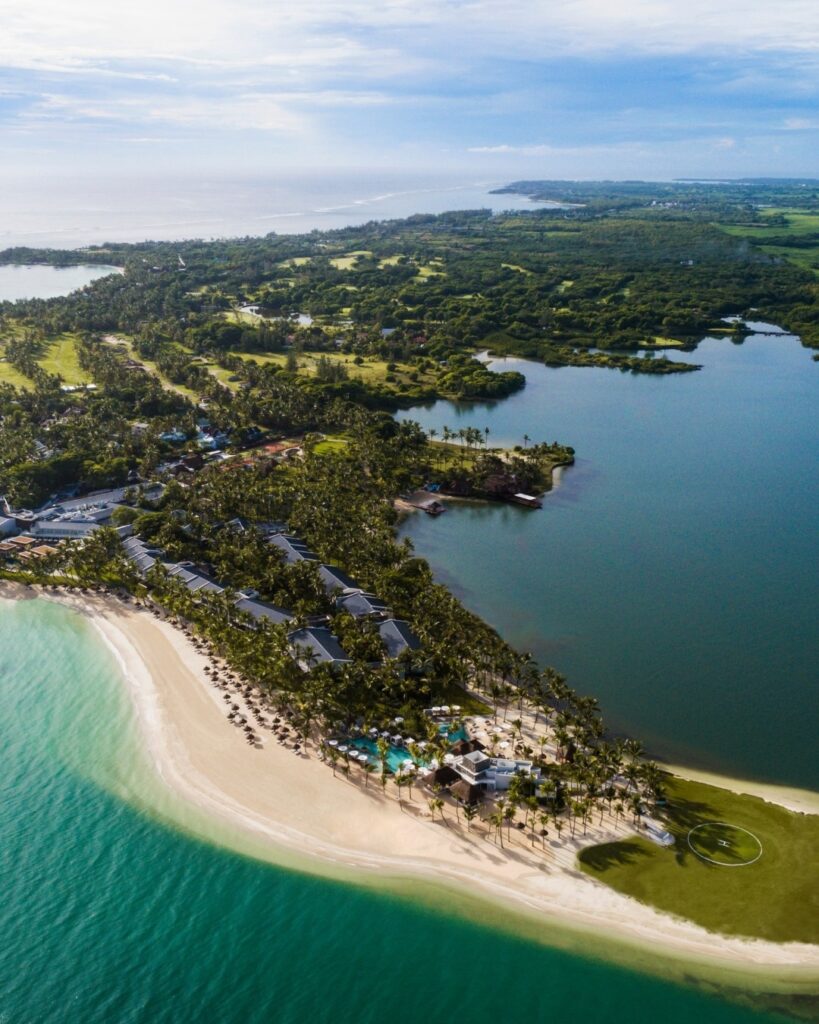
One&Only Le Saint Géran has been welcoming generations of families to its palm-fringed peninsula since the 1970s. There are watersports, tennis courts, excellent restaurants and enough activities to occupy children while parents reacquaint themselves with the concept of sleeping past sunrise.

Singapore & Bali
SUGGESTED STAY: 3 nights in Singapore + 7 nights in Bali.
Singapore is almost suspiciously efficient. Trains arrive when they’re supposed to, the airport regularly tops global rankings, and even the street food has Michelin recognition. It’s a city where you can eat extraordinarily well for very little, then spend an equally extraordinary amount on a cocktail overlooking Marina Bay.
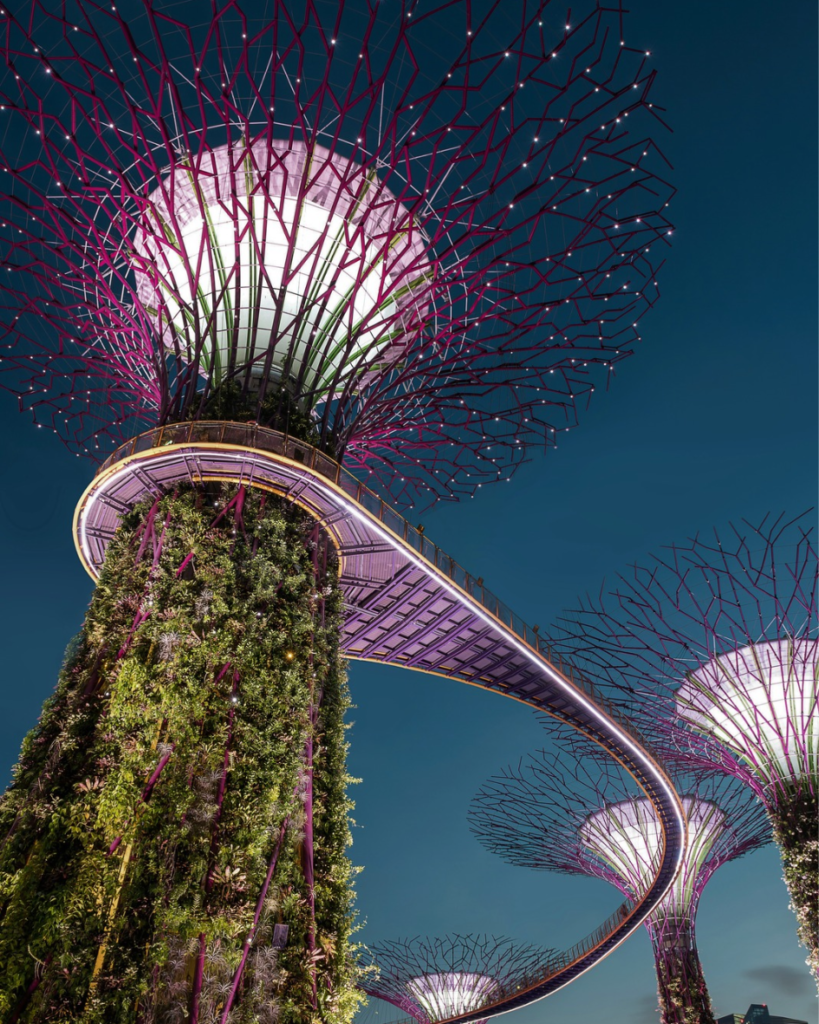
Three or four nights is enough to get a good introduction. Wander through the colourful shophouses of Katong, explore the extraordinary gardens at Marina Bay and make time for the hawker centres, where some of the city’s best food is served on plastic plates.
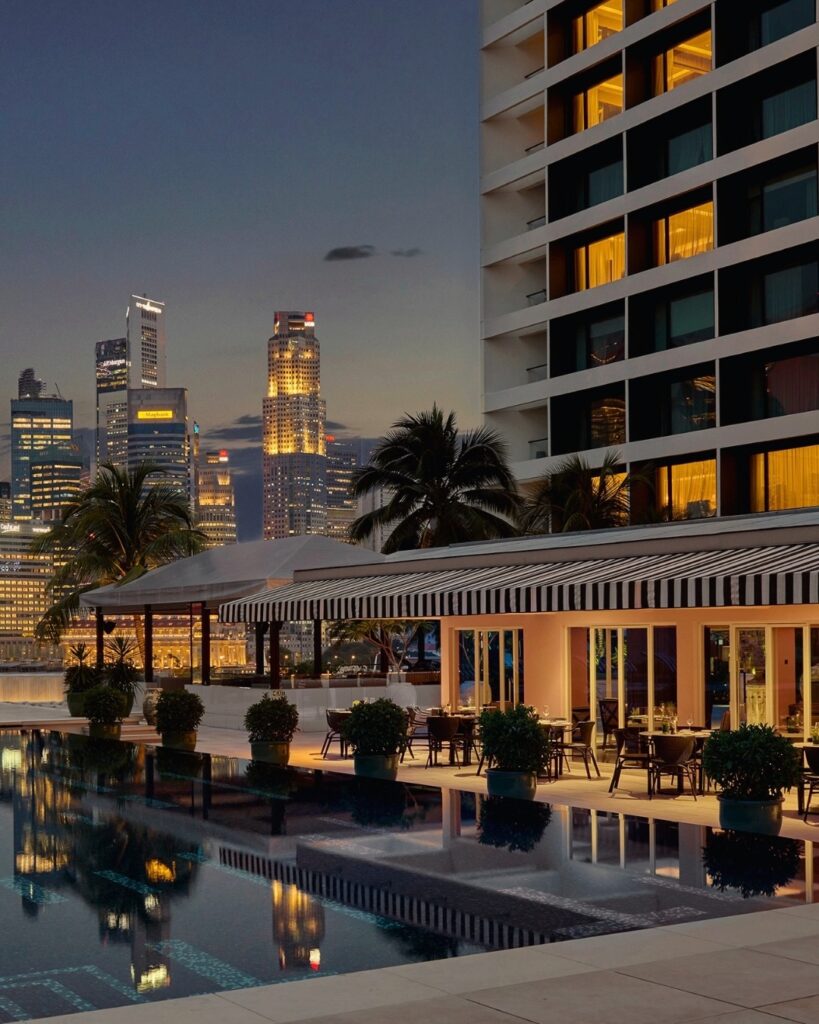
Raffles Singapore is an institution, all white colonnades, ceiling fans and colonial-era grandeur. For something more contemporary, Mandarin Oriental Singapore has excellent views across the bay and a pool that makes a convincing argument for an afternoon off sightseeing.
Bali is just under three hours away by direct flight, with frequent departures from Singapore’s Changi Airport, making the two an easy combination for a longer Asian holiday.
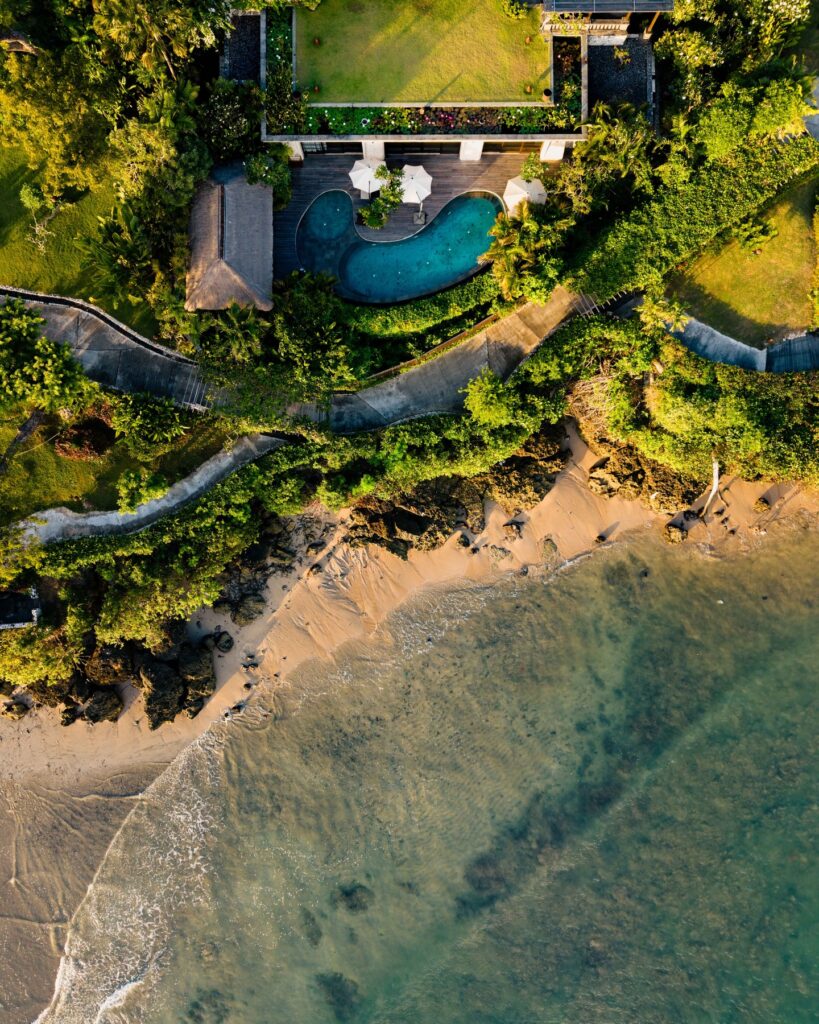
In Ubud, Hindu offerings appear outside doorways each morning, rice terraces spill down hillsides and the sound of gamelan music drifts from village temples. Mandapa, a Ritz-Carlton Reserve, sits beside the Ayung River, with private-pool villas and beautifully landscaped grounds. For a beach finale, Four Seasons Resort Bali at Jimbaran Bay has spacious villas arranged like a traditional Balinese village.
It’s an excellent introduction to Southeast Asia, particularly for families who want a mixture of city exploration, culture and beach time.
Tanzania & Zanzibar
SUGGESTED STAY: 4 nights on safari + 6 nights in Zanzibar.
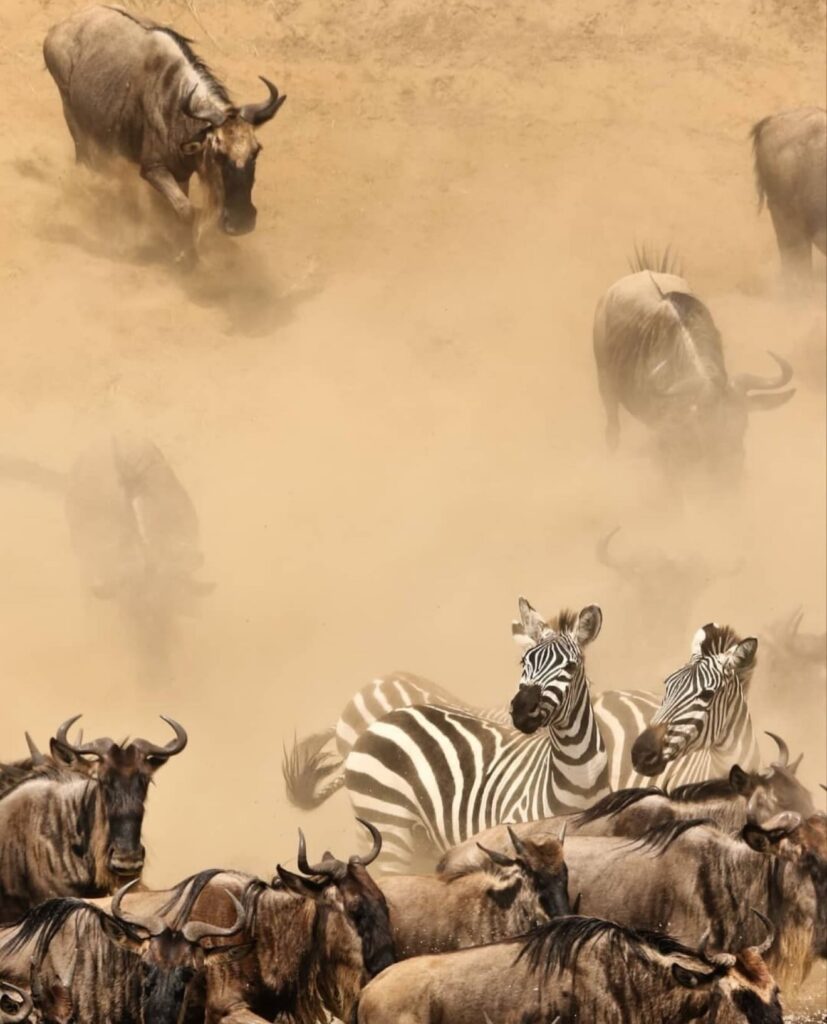
The Serengeti is not a place that lends itself to modest descriptions. Its plains stretch towards the horizon, enormous herds move across the landscape and the wildlife has an inconvenient habit of appearing just as you’ve put your camera away. A few days here can feel like an entire journey in itself.
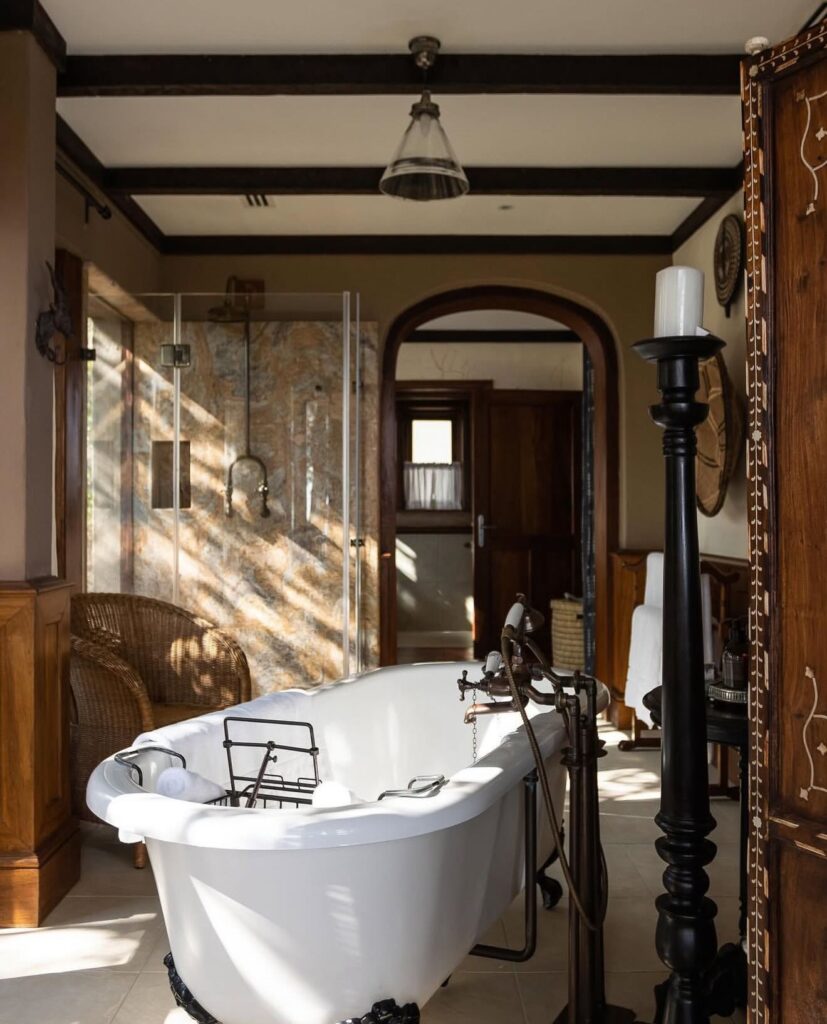
Stay at Singita Sasakwa Lodge, where the architecture borrows from the grand Edwardian country house, complete with chandeliers, antiques and sweeping views across the Grumeti Reserve. It’s an unexpected aesthetic in the middle of the African wilderness, but somehow it works.
Then, after several days of game drives, head to Zanzibar. Depending on your safari location and the flight schedule, you can fly from a bush airstrip towards the island, sometimes directly and sometimes via Arusha or another regional airport. It’s a popular safari-and-beach route, with the connections often arranged as part of the wider itinerary.
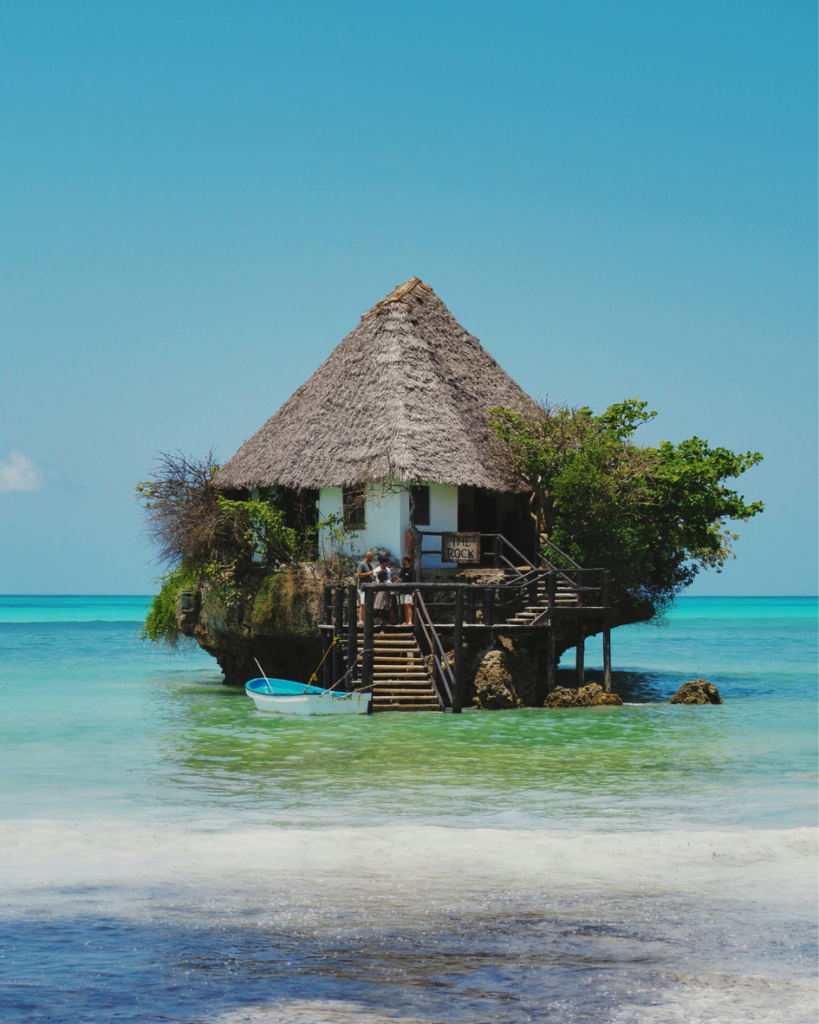
The island’s history is as interesting as its beaches. Stone Town is a maze of carved wooden doors, old merchant houses and narrow streets shaped by centuries of trade between Africa, Arabia and India. Beyond the town, the coastline gives way to white sand, coral reefs and warm Indian Ocean waters.
andBeyond Mnemba Island, just off the northeast coast, is an intimate private-island retreat with a handful of beachfront bandas. Shoes are largely unnecessary, the snorkelling is excellent and dinner is often served with your feet in the sand.
Rome & the Amalfi Coast
SUGGESTED STAY: 3 nights in Rome + 5 nights on the Amalfi Coast.
Rome has been accumulating history for nearly three thousand years, and it shows. Ancient columns appear in the middle of busy streets, churches conceal extraordinary works of art, and the city’s residents seem largely unfazed by the fact that they’re eating lunch beside the ruins of an empire. It’s a place best explored on foot, with frequent stops for coffee, gelato and the occasional glass of wine.
Hotel de Russie, from the team at Rocco Forte, tucked just off Piazza del Popolo, has one of the city’s most appealing secret gardens, a terraced oasis of greenery that feels a long way from the traffic outside. It’s a useful place to recover after a morning at the Vatican or an afternoon navigating the cobbled streets of Trastevere.
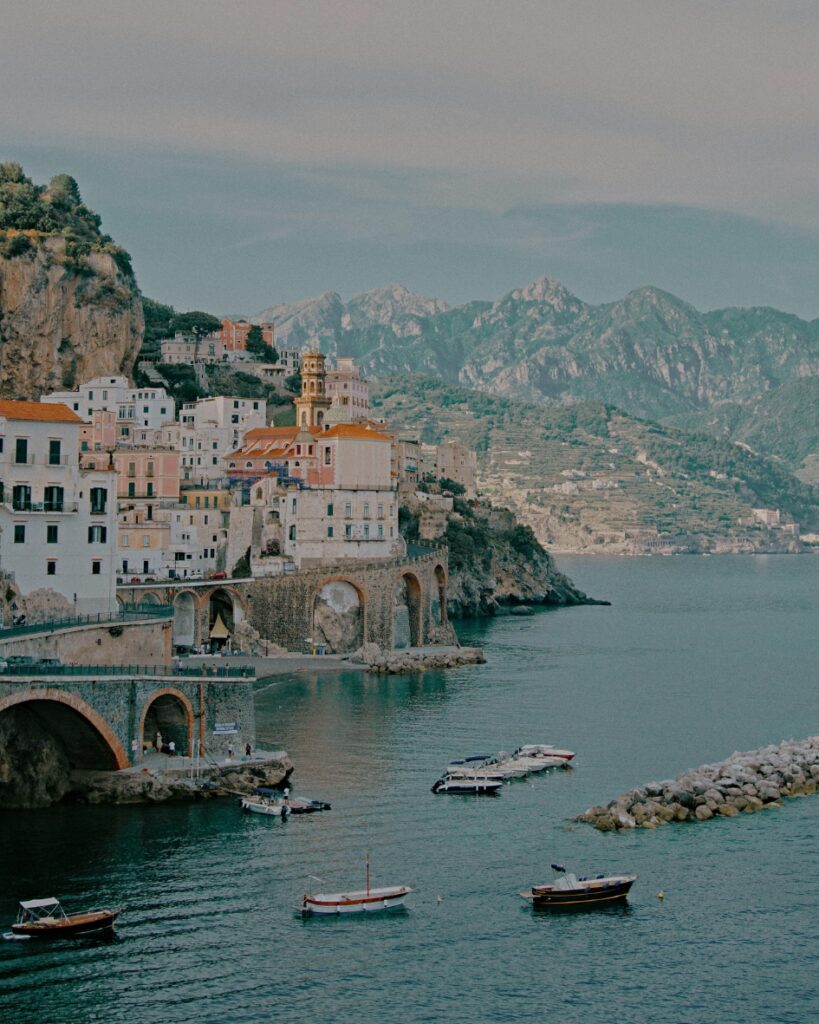
From Rome, take the high-speed train to Naples in around an hour and ten minutes, before continuing by private transfer towards the Amalfi Coast. It’s an easy way to combine the two, without needing another flight. The landscape becomes increasingly theatrical as you approach the coast. Roads cling to cliffs, pastel-coloured villages tumble towards the sea, and the scent of lemons seems to follow you everywhere.
Le Sirenuse in Positano has been a fixture of the coastline’s glamorous social scene since the 1950s, while Caruso, A Belmond Hotel, occupies a former palace high above Ravello, with an infinity pool that appears to merge with the horizon.
For families, we can help you find a breathtaking private villa as an excellent alternative, particularly when travelling with grandparents or older children.


Sri Lanka & the Maldives
SUGGESTED STAY: 7 nights exploring Sri Lanka + 5 nights in the Maldives.
Sri Lanka is one of those destinations where the journey between hotels can be as interesting as the hotels themselves. Roads wind past tea plantations, roadside fruit stalls and temples decorated with brightly coloured flags. Elephants occasionally bring traffic to a standstill, which is one way of making a transfer memorable.
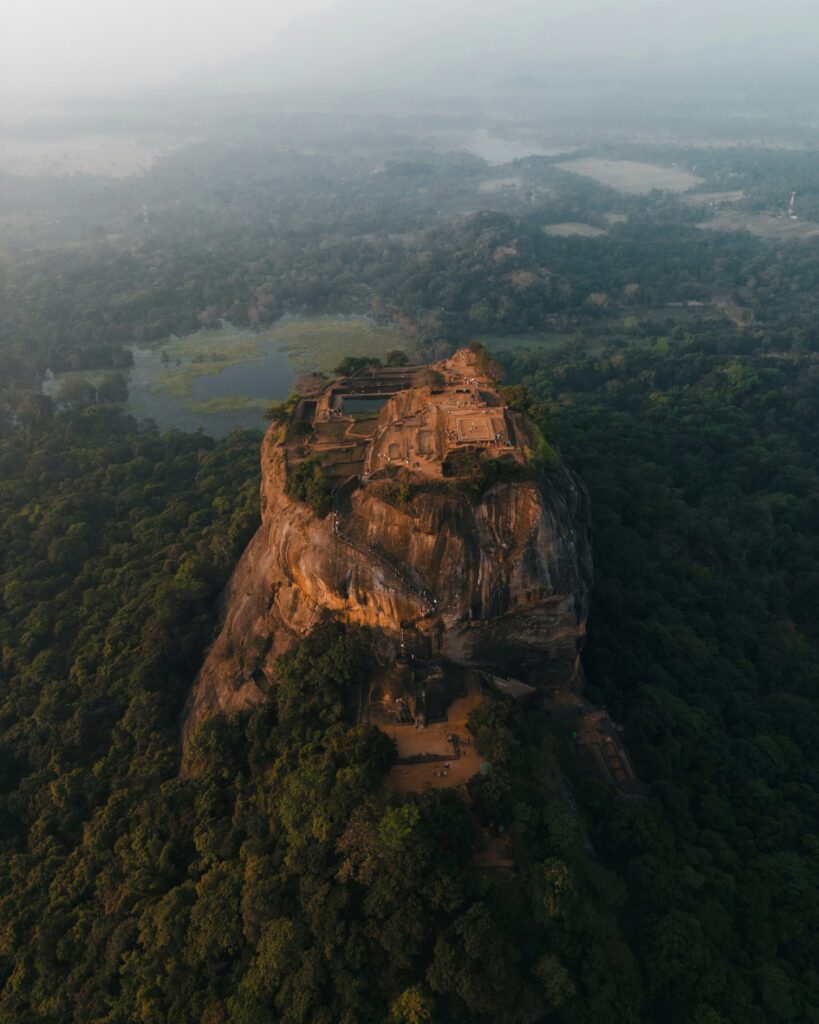
There’s an extraordinary amount to see for an island of its size. Ancient cities, national parks, misty highlands and a coastline dotted with fishing villages and beautiful beaches. A private guide makes the experience considerably easier, particularly for families. Begin in the Cultural Triangle, staying at Uga Ulagalla, where private-pool villas are scattered across a historic estate. Then head into the hill country, where Ceylon Tea Trails occupies a collection of restored tea-planters’ bungalows surrounded by working plantations.
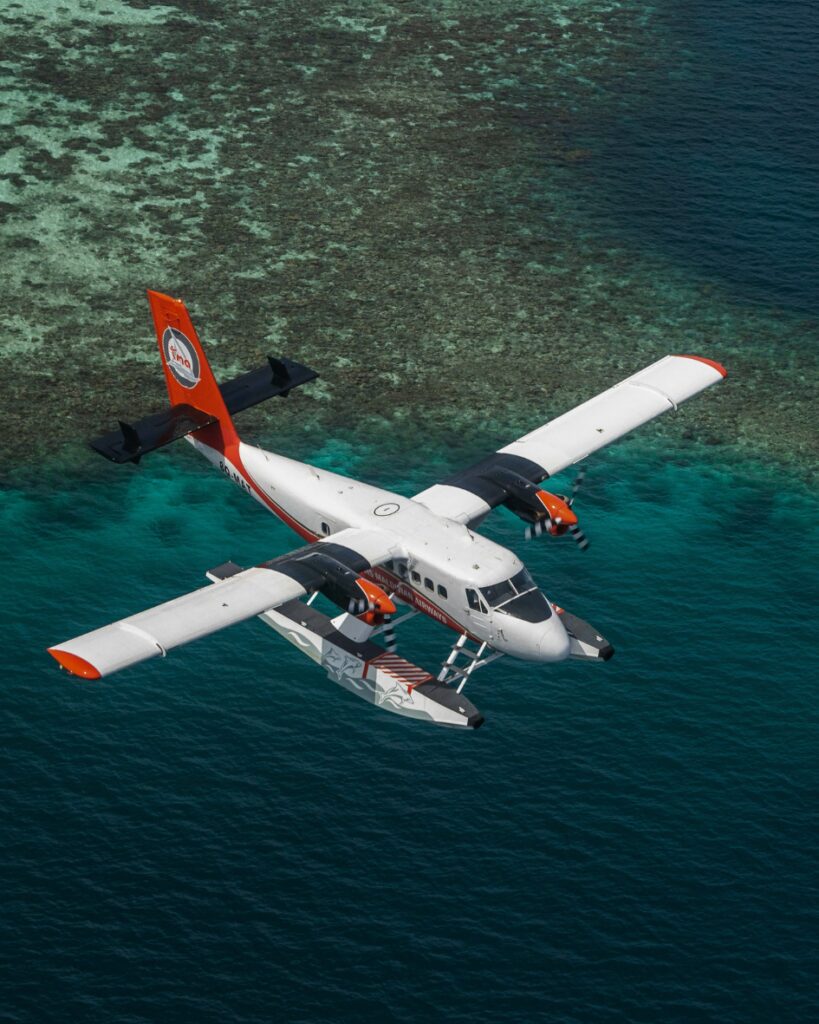
After a week of temples, wildlife and winding mountain roads, the Maldives offers an appealing change of pace. Direct flights from Colombo to Malé take around an hour and a half, although you’ll also need to allow for the transfer from Malé to your chosen island resort.
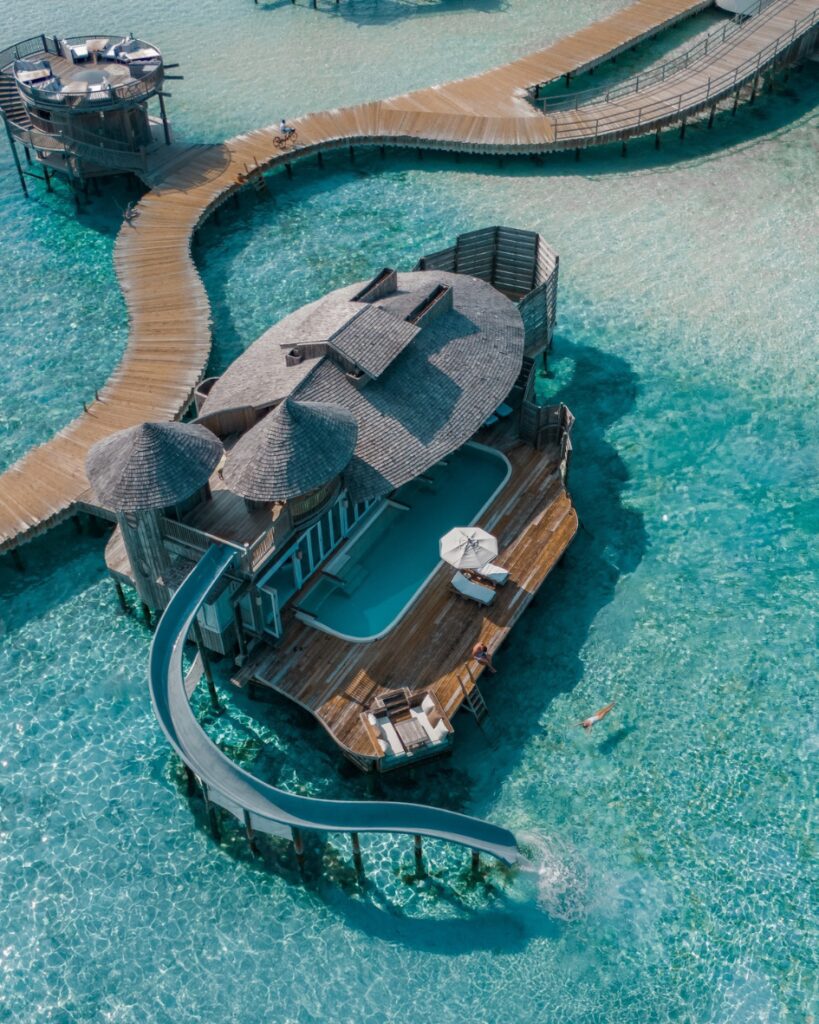
Soneva Fushi, set on a lush island in Baa Atoll, is especially good for families. The villas are enormous, the children’s club is almost comically elaborate, and the resort’s barefoot philosophy means nobody is particularly interested in what shoes you’ve packed. For couples, Cheval Blanc Randheli offers a more polished alternative, with beautifully designed villas and exceptional dining.
New York & the Caribbean
SUGGESTED STAY: 4 nights in New York + 7 nights in the Caribbean.
New York is not a city that encourages moderation. You can spend the morning in a museum, the afternoon shopping downtown and the evening eating your way through three different neighbourhoods, only to realise you’ve barely scratched the surface. Four nights are enough to exhaust yourself in the most enjoyable way.
Stay at The Carlyle, a Rosewood Hotel, an Upper East Side institution whose famous Bemelmans Bar is decorated with murals by Ludwig Bemelmans, creator of the Madeline children’s books. It’s the sort of hotel where the staff seem to know everyone, the martinis are taken seriously and the atmosphere belongs to another era of New York.
Then head south to the Caribbean. The Bahamas is a convenient choice, with direct flights from New York to Nassau taking around three hours. It’s a manageable journey after a busy city break, particularly for families who would prefer to avoid complicated connections. Rosewood Baha Mar offers a quieter corner of the wider Baha Mar development, with access to restaurants, pools, a waterpark and activities that make it particularly appealing to families.
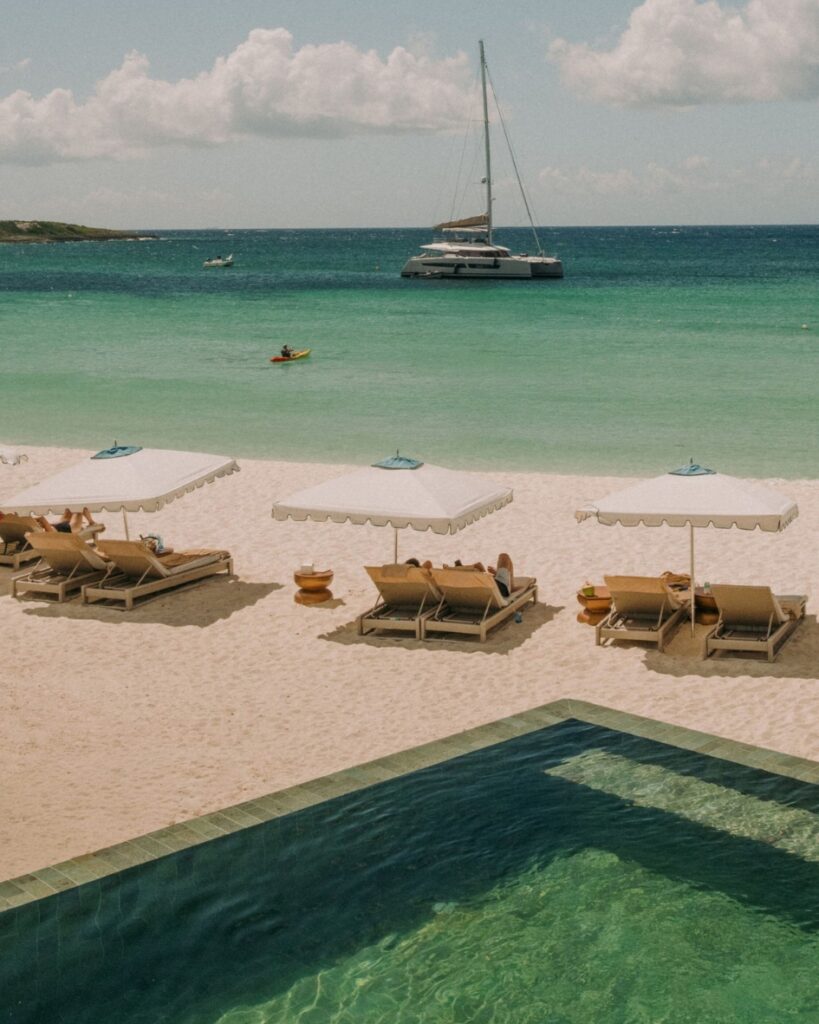
For a more secluded island experience, Cap Juluca, A Belmond Hotel, sits on the white sands of Maundays Bay in Anguilla, where the architecture is inspired by Greco-Moorish design and the beach is among the Caribbean’s finest. Reaching Anguilla generally involves an additional flight connection or a ferry transfer from neighbouring St Martin, so it’s worth factoring that into your plans.

Oman: Muscat & the Hajar Mountains
SUGGESTED STAY: 3 nights in Muscat + 4 nights in the Hajar Mountains.
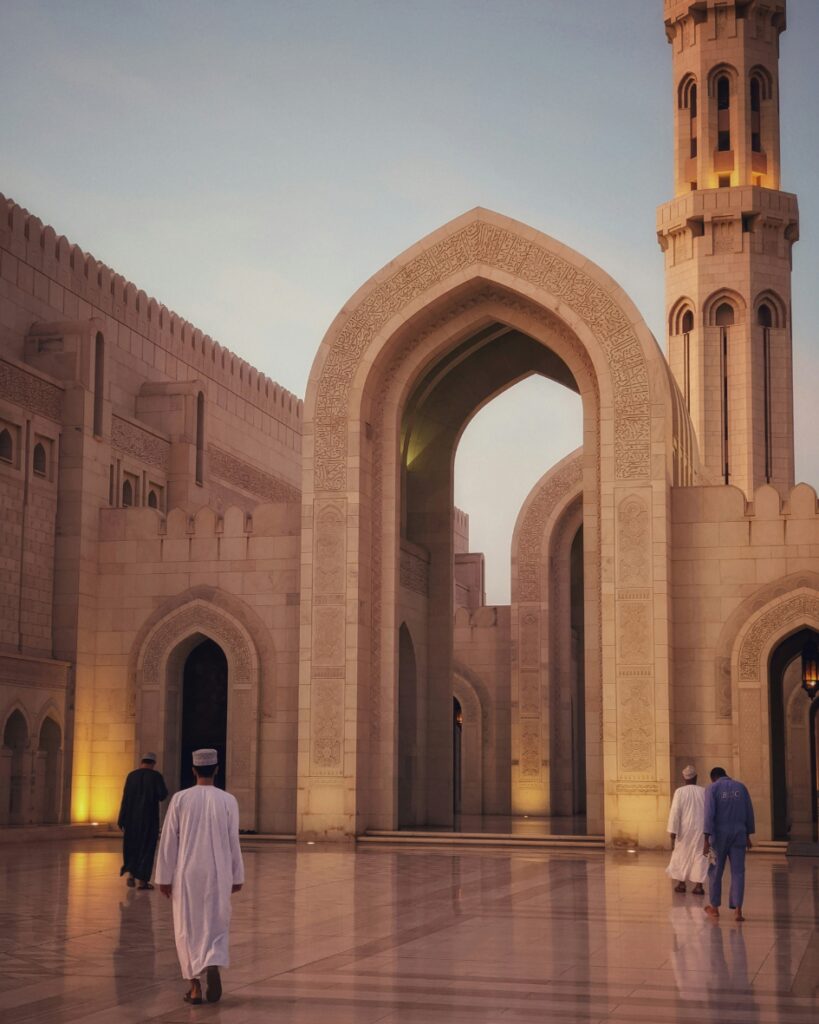
Oman has largely resisted the temptation to compete with its Gulf neighbours in the skyscraper department. Instead, the country has preserved much of its traditional architecture, with whitewashed buildings, old forts and low-rise cities framed by dramatic mountains. Muscat is a fascinating place to begin. The Sultan Qaboos Grand Mosque is an architectural masterpiece, the Mutrah Souq is packed with frankincense, silver jewellery and traditional textiles; and the coastline is surprisingly beautiful.
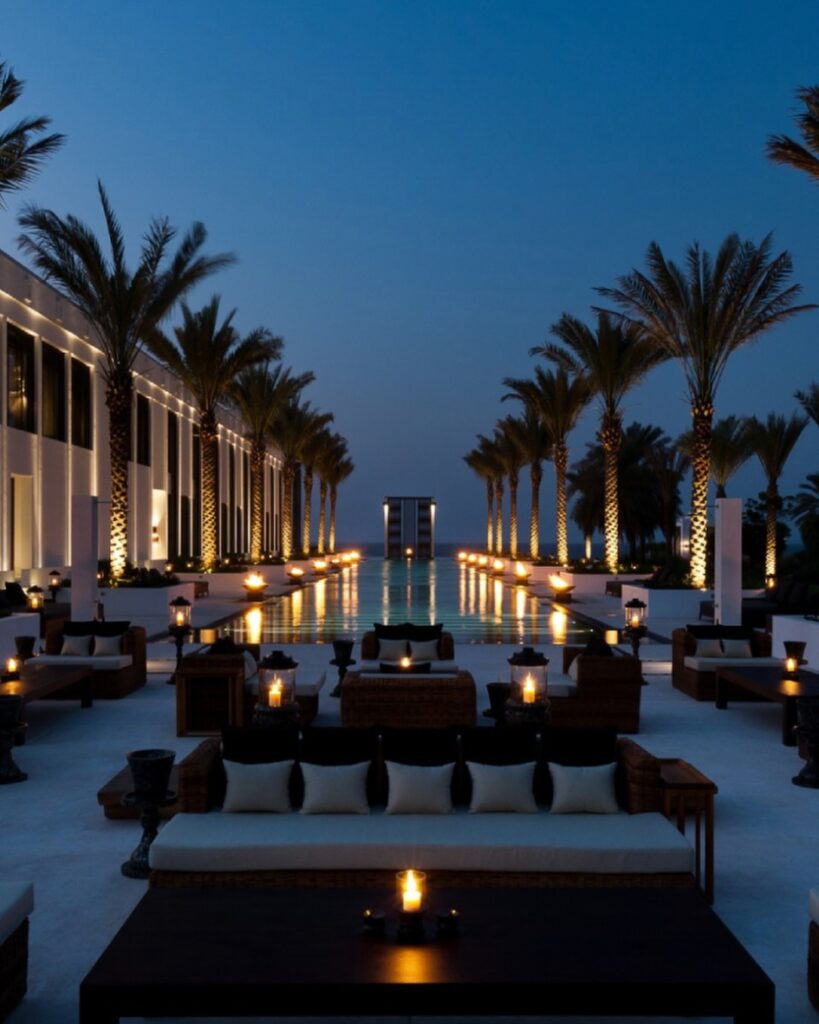
The Chedi Muscat has long been one of the city’s most distinguished hotels, with minimalist architecture, immaculate gardens and a 103-metre swimming pool that seems to go on forever. Around two and a half hours inland by road, the landscape changes completely. The journey into the Hajar Mountains takes you through rocky valleys and increasingly dramatic scenery, with a four-wheel-drive vehicle required for the final ascent to Jabal Akhdar.
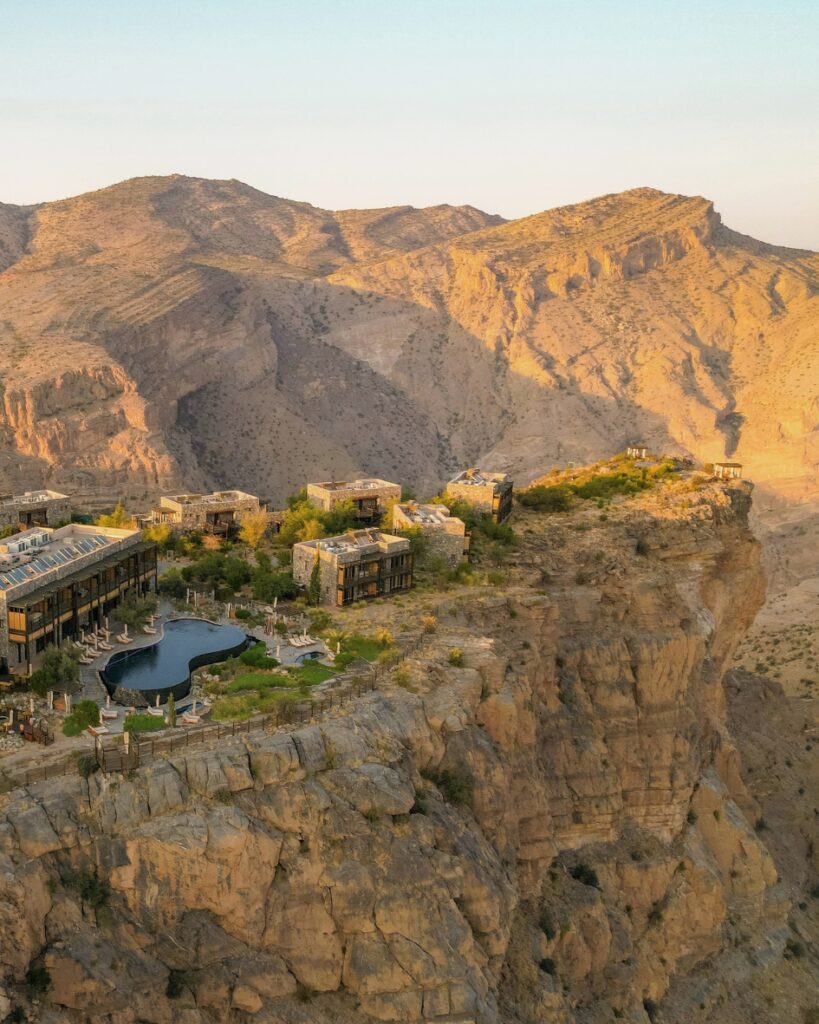
The mountains are a world of deep canyons, terraced orchards and ancient villages clinging to the mountainsides. Alila Jabal Akhdar, perched 2,000 metres above sea level, has been built using local stone and designed to sit almost invisibly within the landscape. Its infinity pool overlooks a vast gorge, while guided walks reveal the area’s traditional villages and agricultural terraces.
For adventurous families, there are plenty of opportunities for hiking, exploring and learning about Oman’s history. For couples, the mountain setting provides a peaceful contrast to the coast.
Peru: Machu Picchu & the Amazon
SUGGESTED STAY: 5 nights in the Sacred Valley and Machu Picchu + 3 nights in the Amazon.
Peru is not a country that does things on a small scale. The Andes rise to extraordinary heights, the Amazon stretches across vast areas of rainforest, and the Inca civilisation left behind some of the most remarkable archaeological sites in the world. A journey through the Sacred Valley and Machu Picchu is an obvious starting point.
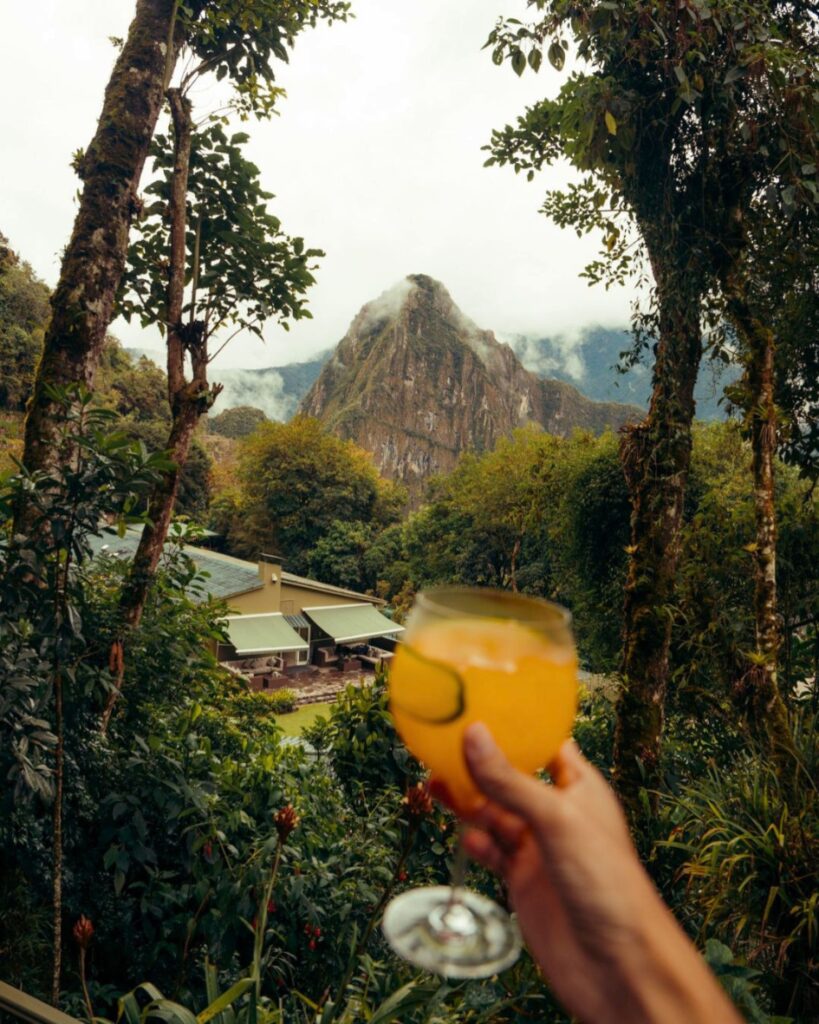
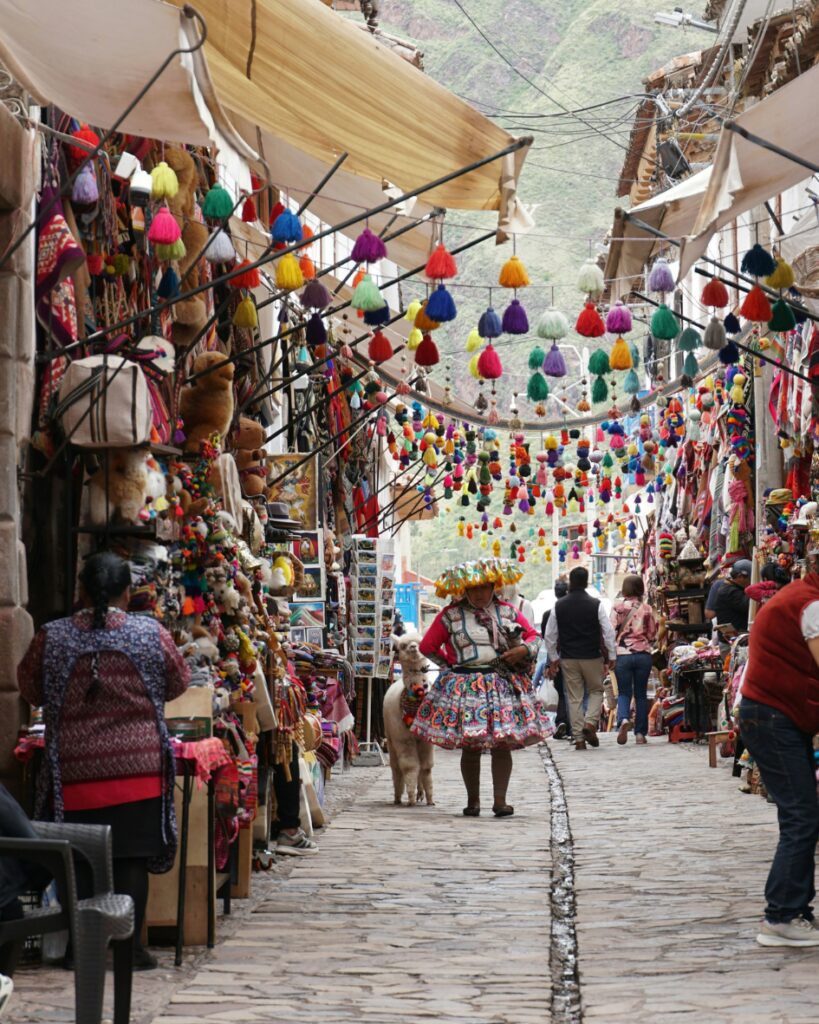
Spend a few days acclimatising in the Sacred Valley, where traditional villages, ancient agricultural terraces and colourful markets sit beneath enormous mountain peaks. Tambo del Inka, on the banks of the Urubamba River, offers a comfortable base for exploring, while Belmond Sanctuary Lodge has the enviable distinction of being located beside the entrance to Machu Picchu itself.
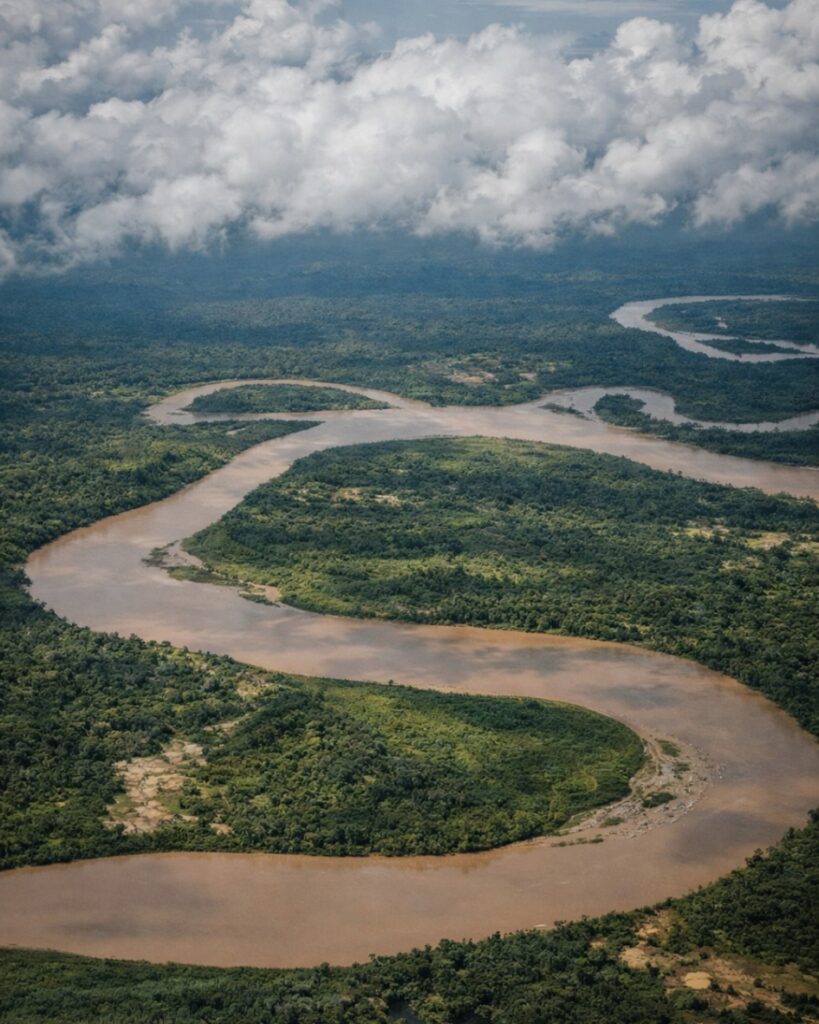
Then trade the mountains for the Amazon rainforest. From the Cusco region, the usual route involves returning to Cusco Airport and taking a flight to Puerto Maldonado, typically around an hour when direct services are available. From there, rainforest lodges are reached by road and boat, with the journey becoming part of the experience. Here, the soundtrack is provided by howler monkeys, insects and birds calling through the canopy. Guided excursions reveal an astonishing variety of wildlife, from brightly coloured macaws to monkeys, caimans and countless species of insects.
Inkaterra Reserva Amazónica, near Puerto Maldonado, offers wooden cabanas set among the trees, with guided nature walks, boat excursions and a canopy walkway. It’s an excellent combination for adventurous travellers and families with older children, although the altitude, travel times and physical demands are worth planning carefully.
Getting the Balance Right
The best two-centre holidays aren’t necessarily the ones that cover the most ground.
Sometimes three nights in a city and a week beside the sea is exactly right. Other journeys deserve a more even split, particularly when both destinations offer plenty to explore. And occasionally, a third stop makes sense, although we’d argue that once you’re changing hotels every other day, you’ve moved into entirely different territory.
There are practical considerations too. Flight connections, seasonal weather, transfer times and the logistics of travelling with children can all influence how a journey should be put together.
A safari-and-beach holiday, for example, requires careful thought about wildlife seasons and coastal weather. A city-and-island combination might work beautifully for couples but need a different pace for a family with young children.
At More Travel, we enjoy finding the combinations that work, whether that’s pairing two countries you’ve always wanted to visit or introducing you to somewhere you might never have thought to include.
From safari lodges and private islands to city hotels and mountain retreats, our team can create a journey that brings together the best of both worlds. Visit us at our Stamford boutique or get in touch to start planning your next two-centre holiday.