


The world’s most beautiful lakes (and where to stay)
There’s something about a lake that draws people back in a way the coast rarely does. Perhaps it’s the stillness – or the fact that life seems to arrange itself more naturally around it. Lake holidays are rarely interchangeable, even when they’re grouped together. Como, Garda, Lucerne – they’re often mentioned in the same breath, but in reality, they suit very different trips, at different times of year, and for different reasons.
We spend a lot of time helping clients work that out. Not just which lake is the most beautiful on paper, but which one will actually feel right once you’re there – whether that’s travelling as a couple, with younger children, or as part of a bigger family group where everyone wants something slightly different from the week.
Northern Italy’s Lake Garda, for instance, has a looseness that works extremely well for families – more space, more variety, and less formality than you find around Como. Lake Lucerne in Switzerland feels altogether more composed, with easy access to the mountains and a level of polish that suits couples or multi-generational trips looking for something a little more structured. Then there are places like Patagonia or the Canadian Rockies, where the lakes are part of something much bigger – the scale, the light, the sense of distance – and the experience shifts accordingly.
Seasonality makes a difference too, often more than people expect. Some lakes are at their best in peak summer, when everything is open, and there’s a natural energy around the water. Others are far more appealing just before or after, when things feel a little less crowded and easier to move through. And then there’s winter – which is often overlooked entirely. Done properly, it can be the most memorable time to go: snow sitting low on the mountains, very clear light, and a completely different pace to the day. It’s not for everyone, but for the right trip, it’s hard to beat.
This is where we usually start – a handful of lake holidays we know inside out, and can shape properly with the right hotels, chalets and experiences depending on who’s travelling and when.
Lake Como, Italy
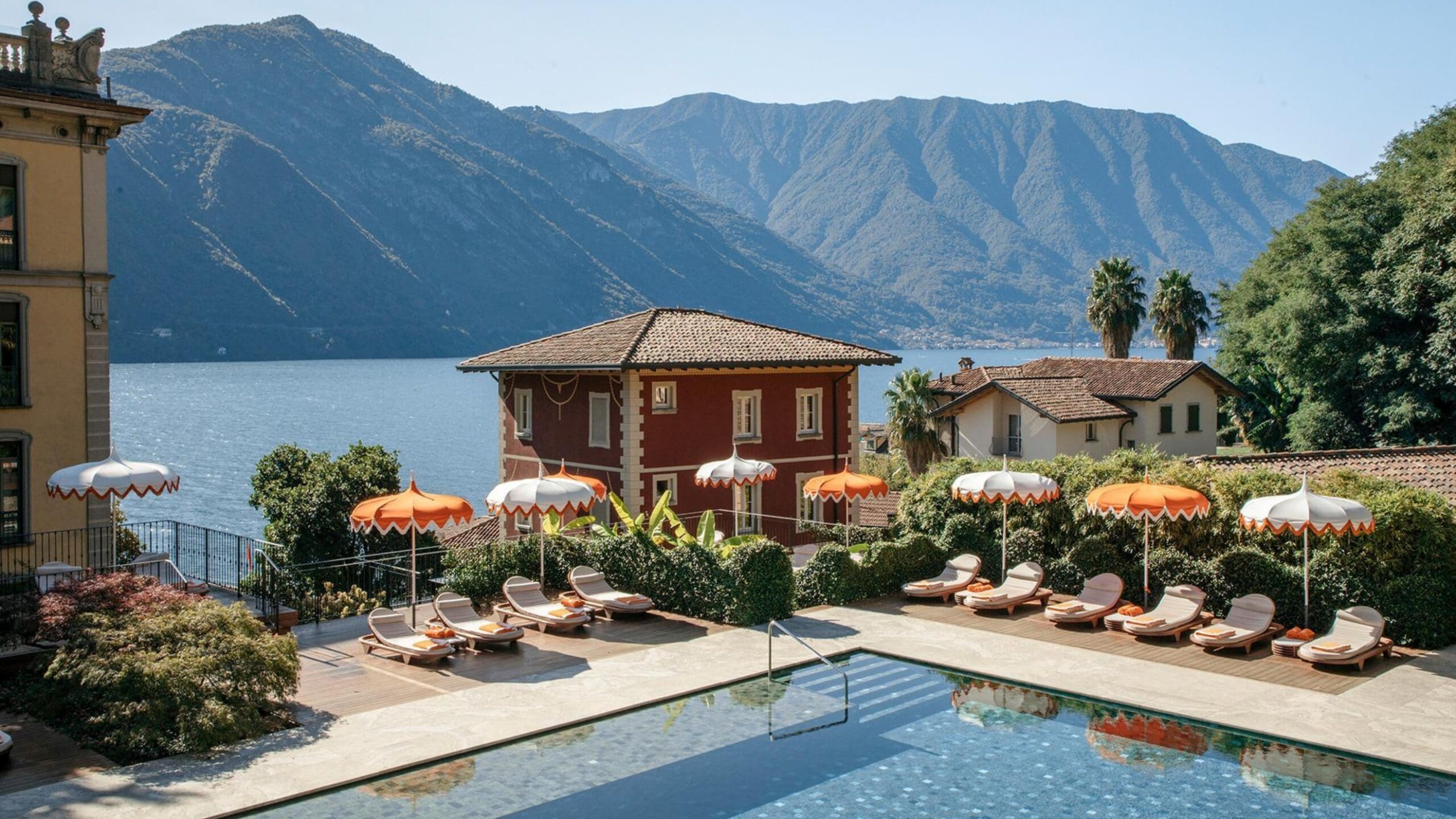
Lake Como is often the first place people mention, and for good reason – its proximity to Milan makes it an easy addition to a tour of Italy, though traffic around the lake can build quickly in high season.
It works best when you lean into what it actually does well. This isn’t a lake for packing in activities or trying to “see everything”. It’s about choosing the right base, settling in, and using the water as your main way of getting around – whether that’s private boat transfers between villages or simply crossing to lunch without touching the road.
Where you stay matters more here than almost anywhere else. The western shore – Tremezzo, Lenno, up towards Menaggio – tends to be the most practical, with better sun exposure and easier access across the lake. It’s also where some of the most consistently reliable hotels sit.
For couples, Grand Hotel Tremezzo remains one of the strongest options – not just for its position directly on the water, but for how well it’s run. It has enough going on (three pools, a beautiful spa, several restaurants) that you don’t feel the need to leave constantly, which is useful on Lake Como where moving around can take longer than expected. Just next door, Passalacqua is a very different proposition – smaller and far more intimate, set within a restored villa with just a handful of rooms and a strong sense of privacy. You’ll recognise it for the vintage orange Fiat 500 tucked into the gardens and terraces that fall towards the lake.
For families or small groups, we often look slightly outside the obvious hotspots – either larger suites within established hotels, or private villas where you have more space and flexibility. Lake Como can feel surprisingly formal in places, so having your own setup makes a difference if you’re travelling with children.
Timing is key. July and August are busy, and while the atmosphere is lively, it comes with heat and heavy boat traffic. May, June and September tend to be far more enjoyable – everything is open, but the pace is easier, and getting around is far less of an effort. Even late October can work well if you’re after something quieter, though you trade that for more variable weather.
In terms of what to actually do, most days tend to centre around the water – but there’s more variety here than people expect. A private boat for the day is still one of the best ways to understand the lake properly, particularly if you want to move between the “golden triangle” of Bellagio, Varenna and Tremezzo, or reach villas like Balbianello and Carlotta without the crowds.
Away from the lake, there’s great walking in the hills above the shoreline, and if you’re passing through Como town, the silk museum is worth a stop.
Lake Garda, Italy
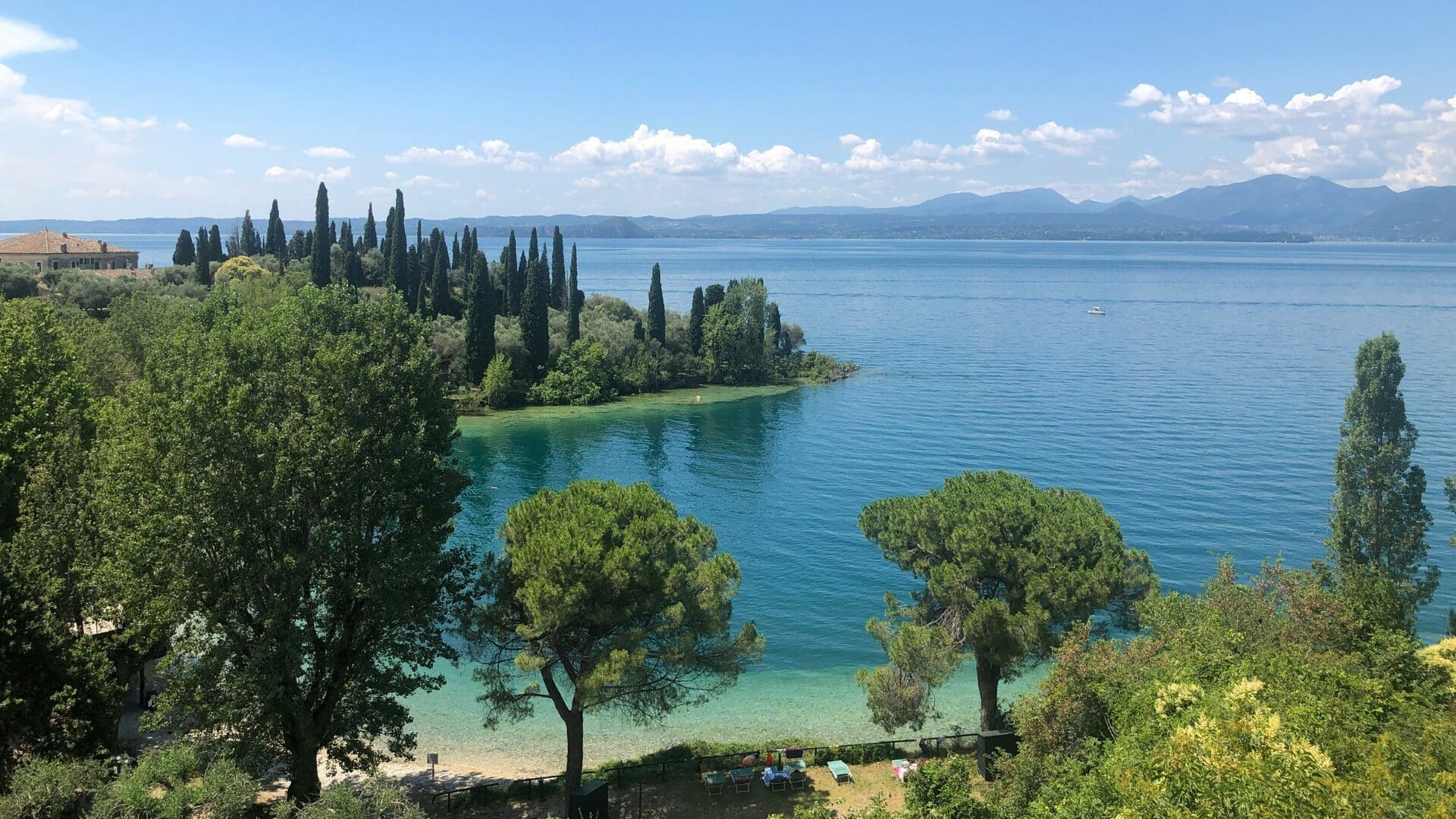
If you like the idea of a lake holiday in Italy but want something more flexible, Lake Garda is usually where we steer people, particularly for families. It’s larger, more varied, and far less formal than Lake Como, which gives you room to do more with it. You’re not tied to one way of spending the trip – days can be as active or as relaxed as you like, and it’s much easier to balance different ages and interests without it feeling like a compromise.
Where you base yourself makes a noticeable difference. The northern end, around Riva del Garda and Limone, has a more active feel – popular for sailing, windsurfing and access into the mountains – while the southern side, around Sirmione and Desenzano, is gentler and easier logistically, particularly if you’re arriving via Verona.
For families or larger groups, space is often the deciding factor. Lefay Resort & Spa, set slightly above the lake near Gargnano, works well for this – plenty of room, strong facilities, and a layout that doesn’t feel restrictive if you’re travelling with older children or across generations. If you’re looking for something more classic and polished, Villa Cortine Palace in Sirmione offers a very different stay, with extensive gardens and direct lake access, though it leans more towards couples or older families.
Timing is more forgiving here than on Lake Como. July and August are busy, but the size of the lake absorbs it well, and there’s enough variety to avoid it ever feeling too concentrated. June and September are often the sweet spot – warm, open, and far easier to navigate.
You’re rarely in one place for long here. One day might be spent out on the lake – sailing or paddleboarding – the next up in the hills above the lake, particularly towards the northern end, with easy access into the Brenta Dolomites. It’s easy to move around without overthinking it, dipping into places like Malcesine, Limone and Sirmione as you go.
And for families, Garda just has more range. Down at the southern end, Gardaland and the nearby waterparks are amazing, and an easy win if you’re travelling with children who want something beyond boats and villages. It’s probably one of the easiest lake holidays on the list.
Lake Annecy, France
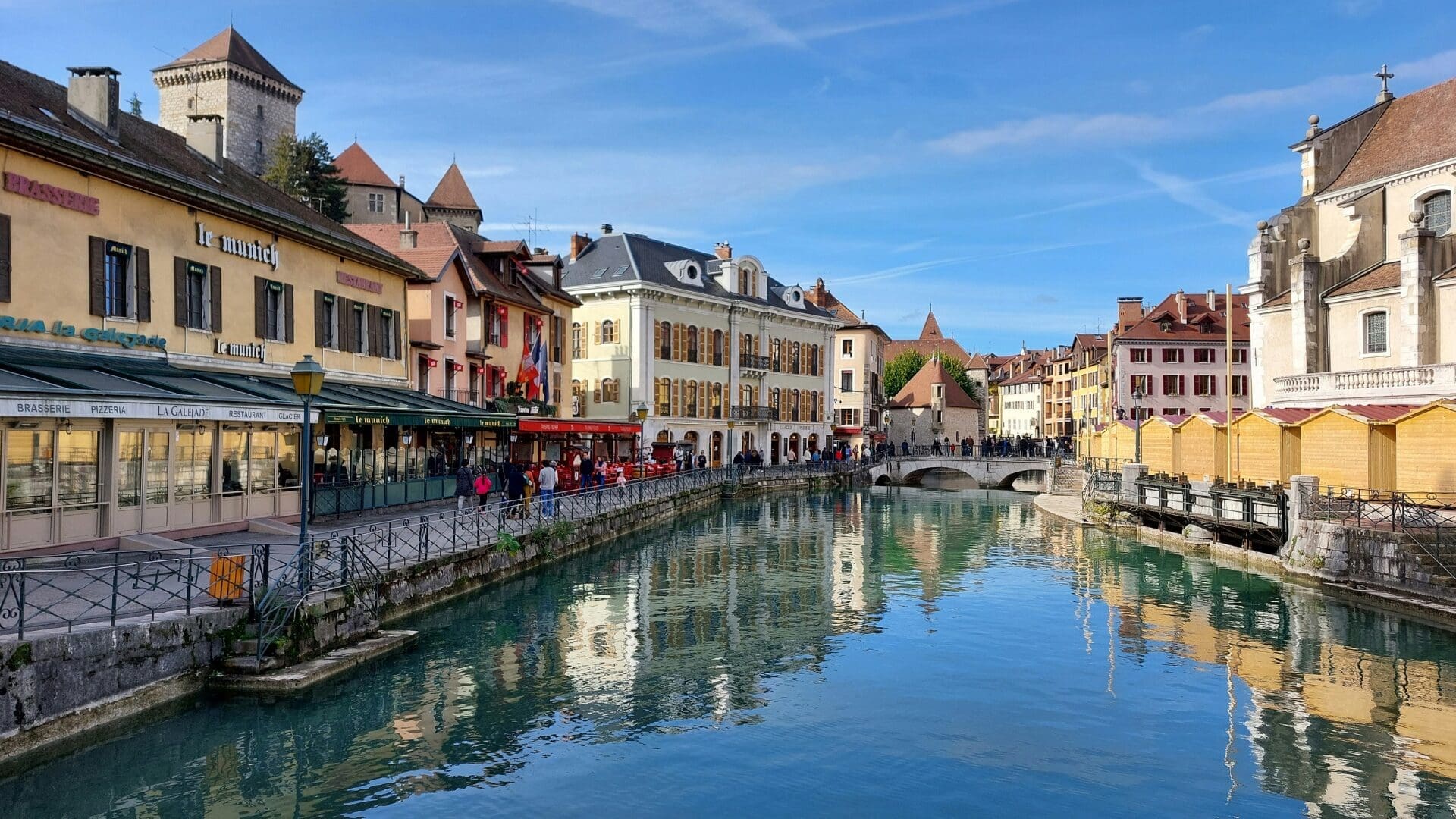
If Como and Garda are about variety and scale, Annecy is a far more contained lake holiday – and that’s exactly the appeal. Set against the French Alps, it’s a smaller lake, but arguably one of the clearest in Europe, with a very easy rhythm to it. Everything is close: the old town, the shoreline, the mountains just behind.
It’s also very straightforward to reach. Geneva is the main gateway – just under an hour by car – which makes it an easy addition to a wider Switzerland or France itinerary. Transfers are simple, though in peak summer it’s worth allowing a bit of extra time on the roads. Alternatively, you can arrive by train via Annecy station, which sits just above the old town and works well if you’re not planning to drive.
Where you stay is relatively straightforward. Auberge du Père Bise, on the quieter eastern shore in Talloires, is the standout – right on the water, with a long-established reputation and a very refined feel. For something more private, there are also some excellent houses around the lake – particularly on the eastern side – which work well for families or groups. With the right setup, these can be fully staffed, with private chefs and everything arranged in advance, so it still feels seamless once you’re there.
You don’t need to overthink the days here. The lake is ideal for swimming – genuinely clean, with designated spots all around the shoreline – and cycling the full loop (around 40km) is one of the easiest ways to see it properly. There’s also excellent walking straight from the lake edge, or further up into the surrounding mountains if you want something more involved.
Annecy town itself is worth spending time in, but best approached early or later in the day – it’s compact, busy in peak months, and easy to dip in and out of rather than base yourself entirely around. There are plenty of smaller restaurants and wine bars tucked through the old town – nothing overly formal, but the kind of places you come across naturally and end up returning to for fresh lake fish, good local cheeses and very drinkable Savoie wines.
Patagonia, Chile & Argentina
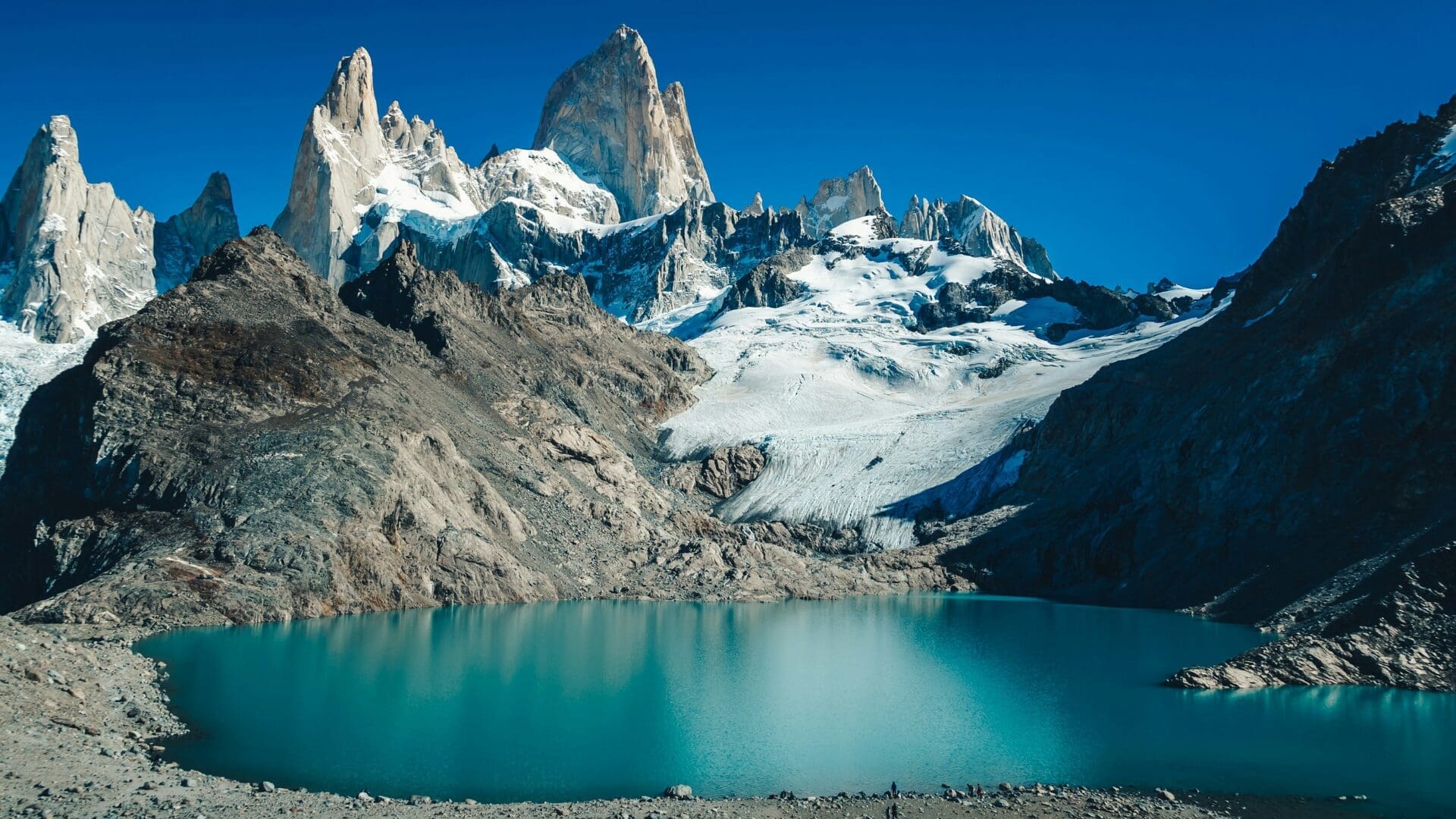
Patagonia isn’t a lake holiday in the traditional sense. The lakes are there – and some of the most striking you’ll see anywhere – but they sit within a much larger, more dramatic landscape. This is about scale. Glacial water, sharp peaks, long distances, and a sense that everything is a bit more remote and considered. It’s not somewhere you drift into for a few days – it needs a bit more planning, but the payoff is very different to anywhere else on this list.
Getting there takes a little more effort. Most routes go via Santiago or Buenos Aires, then down to the likes of Puerto Natales, El Calafate or Bariloche, depending on which side of Patagonia you’re focusing on. From there, you’re usually transferring onwards into fairly remote areas – but once you arrive, everything is set up to make it easy. More
Where you stay plays a big role in how the trip feels. This is one of the few places where we’d strongly lean towards fully structured lodges. Explora Patagonia (in Torres del Paine) is one of the best-known (and award-winning) – remote, very well run, and built around guided exploration, with everything included and planned day by day. On the Argentine side, EOLO near El Calafate offers something quieter and more understated, with a similar focus on landscape and access.
This is a trip that works particularly well for couples or older families – anyone happy to be outdoors for a good part of the day. Days are active by design: guided hikes, boat trips out to glaciers, riding, or simply covering ground to take in the scenery properly. You don’t come here to sit still.
The lakes themselves – places like Lake Pehoé, Lago Grey or the glacial lakes around El Chaltén – are part of that wider experience rather than the sole focus. They’re striking, often intensely coloured, and usually best seen as you move through the landscape rather than from a single base.
Timing matters more here than in most places. The main season runs from November through March, when conditions are more stable, and access is easier. Outside of that, it becomes far more weather-dependent, and some lodges close entirely.
Lake Bled, Slovenia
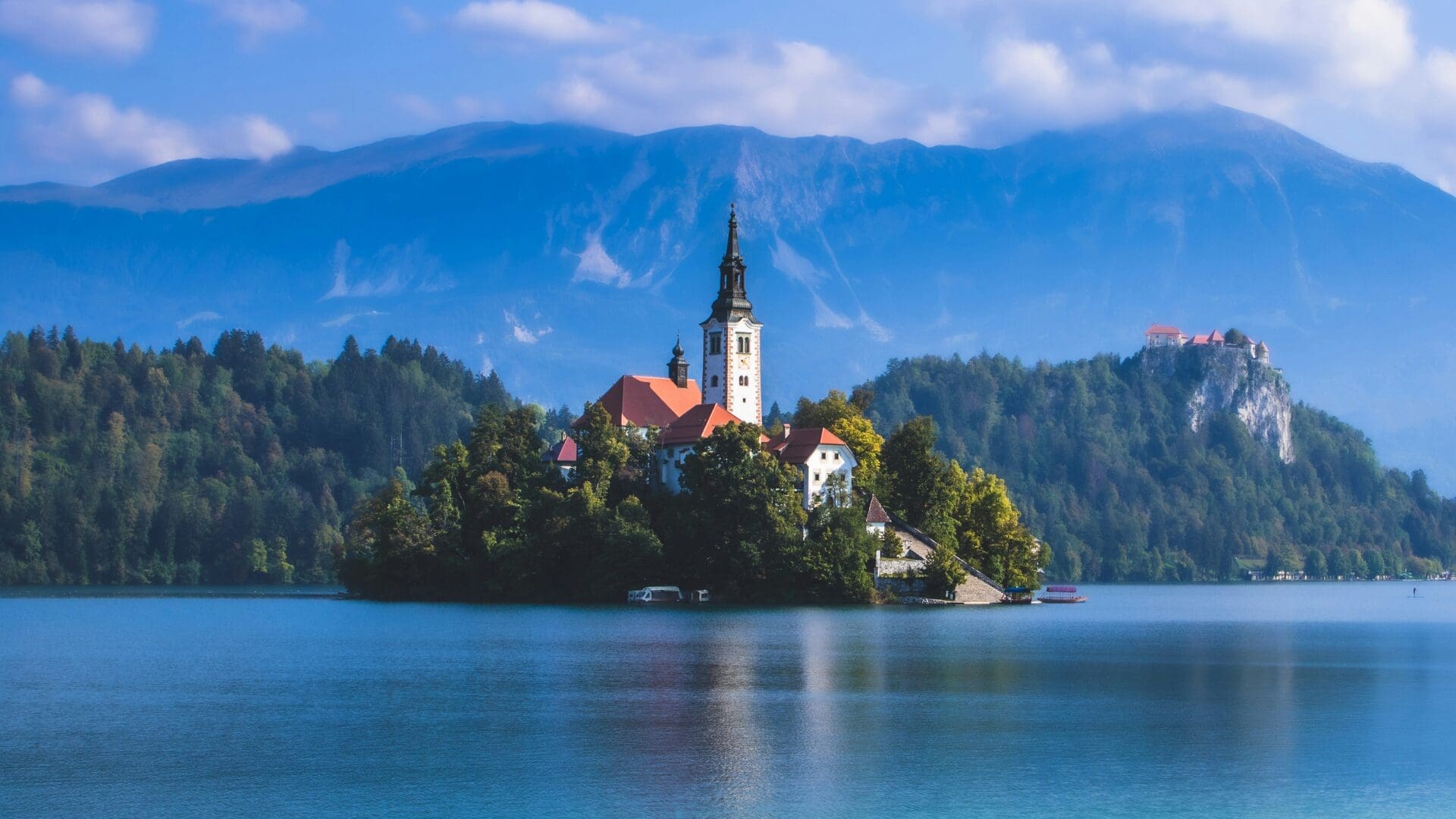
Lake Bled is one of those places that’s instantly recognisable – the island church, the castle above the water – and in person, it’s a compact, very easy place to spend a couple of days.
In our opinion, it works best when treated as part of a wider trip rather than the main event. Two or three nights is your sweet spot, often combined with Ljubljana or a broader route through Slovenia and northern Italy. Getting in is relatively simple. Ljubljana airport is around 30 minutes away, and it’s an easy drive if you’re coming from Venice or further into the Alps.
Where you stay is fairly limited compared to somewhere like Lake Como or Lake Garda. Where you stay is fairly limited compared to elsewhere. Vila Bled is usually the one we come back to – not overly polished, but well positioned right on the lake with a bit more space and privacy than the larger hotels closer to the centre. Grand Hotel Toplice, part of Small Luxury Hotels, is another strong option, with a more classic feel and one of the best positions directly on the lake.
You don’t need to over-plan your time, but there’s enough to keep it varied. A pletna boat out to the island is the obvious starting point, and worth doing once. Beyond that, the lake is easy to walk around in full, and swimming is a big part of it in summer. For something more active, Triglav National Park sits just beyond, with good cycling and walking, and options like canyoning if you want something more involved. Bled Castle is also worth the climb – steep, but with a clear view back across the lake from the top.
It can get busy in the middle of the day, so it’s worth structuring around that – early mornings and evenings are far more enjoyable once the day visitors thin out.
Lake Lucerne & Lake Geneva, Switzerland
Switzerland approaches lake holidays differently. It’s less about variety or contrast, and more about getting the fundamentals exactly right – setting, service, and a level of ease that’s hard to replicate elsewhere.
Lucerne is usually the stronger choice if you want something visually interesting. The lake folds in on itself, with smaller inlets and villages that feel tucked into the landscape, and the mountains never feel far away. It’s the sort of place where you can stay put and still feel like you’ve seen a lot.
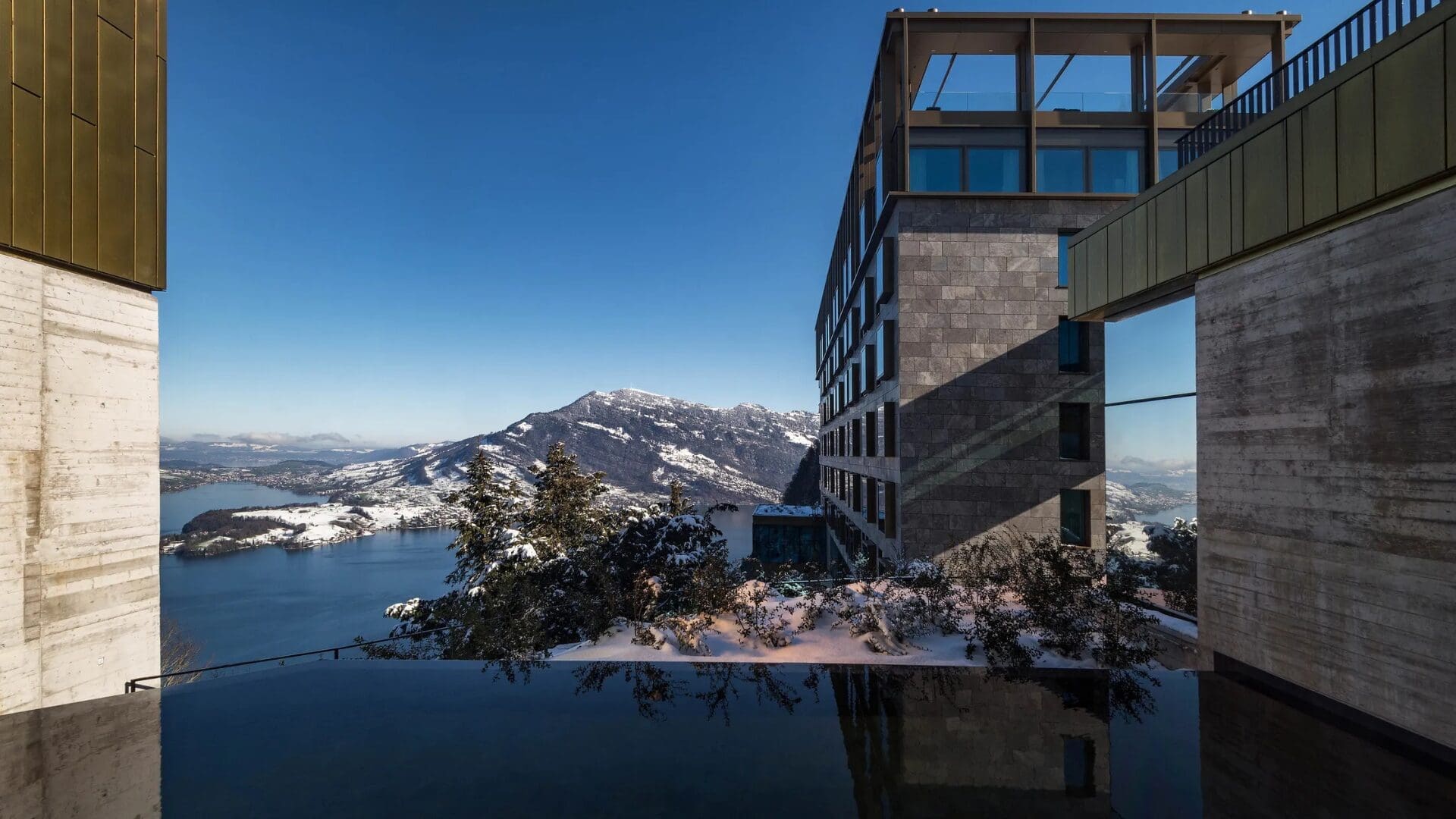
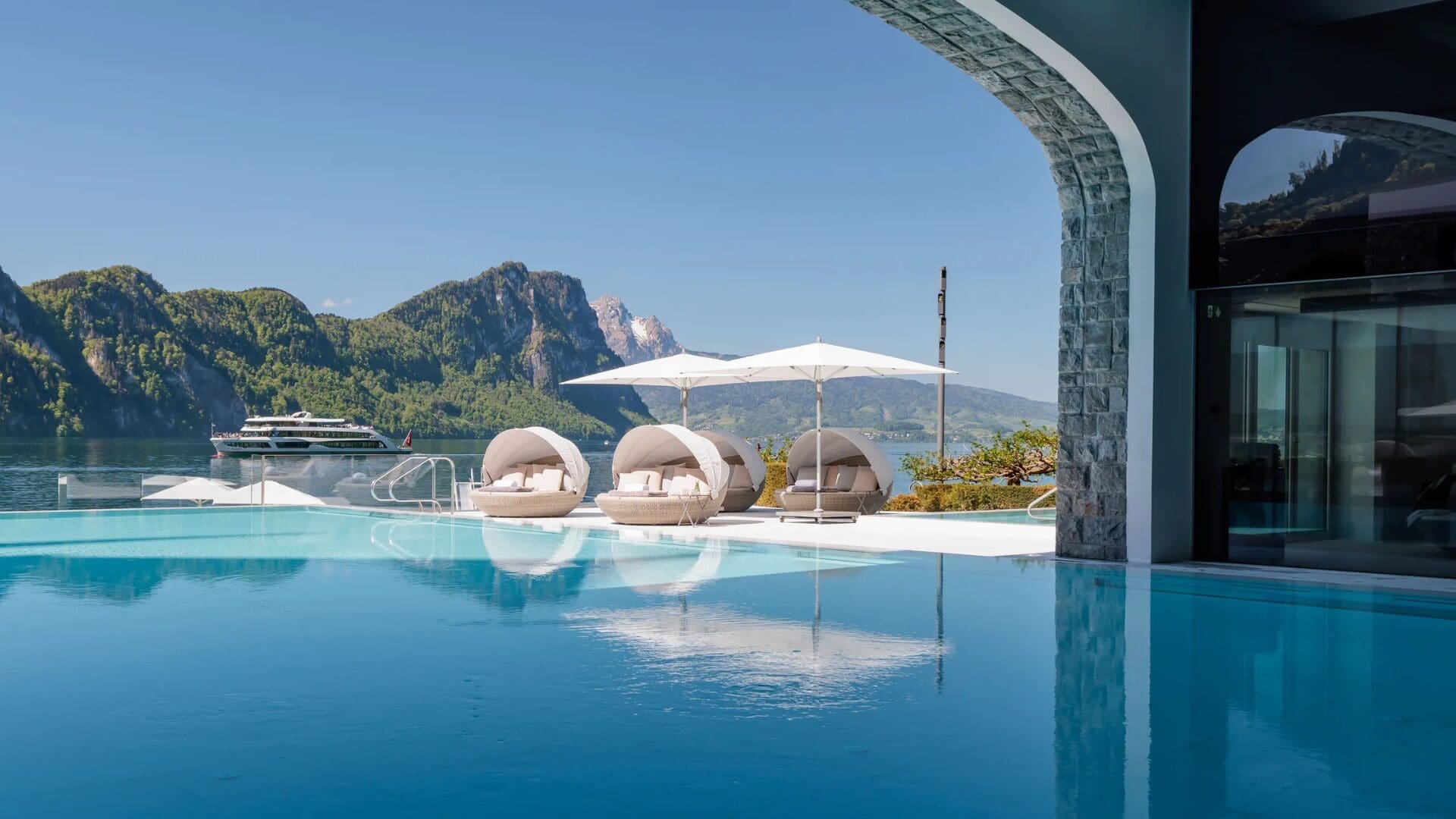
Up above the lake, Bürgenstock Resort & Alpine Spa is hard to beat. It’s modern, expansive, and positioned high above Lake Lucerne – reached either by road or, more memorably, by boat and funicular – with wide, uninterrupted views across the water. The Alpine Spa is the focal point (worth booking in for), particularly the outdoor infinity pool set out over the lake. It’s also consistently recognised with industry awards, so you’re in very safe hands.
Another Leading Hotels of the World property we love is Park Hotel Vitznau. It’s right on the lake, smaller in scale with just 48 rooms, and feels far more contained. Each suite is individually designed, and the overall pace is slower – helped by a strong food offering, including a two Michelin-starred restaurant, and a lakeside heated pool looking out towards the mountains.
Geneva is broader, more understated, and tends to work best when it’s part of something else – a few days alongside the vineyards in Lavaux or as a stop between destinations. Montreux is the most natural base, with Fairmont Le Montreux Palace offering a straightforward, well-located option right on the lake.
What you actually do here is fairly simple. Boats link most places without much effort, and the mountain railways take you up quickly if you want a change of perspective. Beyond that, it’s more about enjoying the setting – walking along the water, stopping where it looks good, and not over-planning it.
It’s also one of the few lake destinations that works well across seasons. Summer is the obvious choice, but autumn is quieter and just as scenic, and Lake Lucerne in winter can be a wonderful option if you want a lake base with easy access into the mountains – it’s truly magical.
Considering a lake holiday?
Lake holidays are rarely one-size-fits-all, which is exactly why we love them. The right choice depends on who’s travelling, how you want to spend your time, and how much structure you want around the trip. Some lend themselves to long, settled stays; others work far better as part of a wider journey.
These are the places we come back to time and again – not just because they’re beautiful, but because we know how they work in practice. They’re also the ones we’d choose for our own families, where the balance between where you stay and how you spend your time actually holds up once you’re there.
Much of it comes down to getting the detail right early on. Choosing the right part of the lake, the right hotel or house, and then shaping everything around that – whether that’s time on the water, access into the mountains, or simply making sure the pace of the trip feels right for everyone travelling.
From there, we can take care of the rest – from private boats and guides to chefs, transfers and everything in between – so that once you arrive, it all feels straightforward.
Fill out our contact form with any questions or enquiries, and someone from our team will be in touch.